
130 results found.
Social media customer engagement is vital for modern businesses. While the WhatsApp Business API traditionally focused on 1:1 chats and mass broadcasts, Meta’s WhatsApp Groups API now enables automated, multi-party messaging. Built for high-value consultations, VIP service, and complex case resolution, this guide breaks down how the WhatsApp Groups API works, its key limits, top use cases, and setup steps. Key Takeaways・Invite-Only: Users must join voluntarily via an invite link (capped at 8
Key Takeaways1. WhatsApp backups are stored through your Google Account on Android and iCloud on iPhone. Create a backup under Settings > Chats > Chat Backup and enable automatic backups for regular protection.2. To restore a WhatsApp backup, use the same phone number and Google Account or iCloud account used to create it. WhatsApp will prompt you to restore your chat history during setup or reinstallation.3. WhatsApp Business backup works similarly to personal WhatsApp, while larger teams may n

Key Takeaways1. A WhatsApp CRM connects WhatsApp conversations with customer profiles and CRM data, helping businesses manage messaging, sales and customer service from one place.2. A WhatsApp CRM system can improve team efficiency through shared inboxes, conversation assignment, customer context, automation and more consistent follow-up.3. When choosing the best WhatsApp CRM, look for official WhatsApp Business Platform support, CRM integration, multi-agent collaboration, automation, segmentati
Meta announced the global availability of Meta Business Agent on 3 June 2026, introducing its own AI agent for businesses across WhatsApp, Messenger and Instagram. For enterprises running customer conversations on WhatsApp, the launch coincides with two pricing changes taking effect this quarter. Both will affect what a WhatsApp operation costs, regardless of whether a business adopts Meta’s agent. This article covers what the product is, what Meta has published on pricing, and the operational q

As customer communications increasingly shift to digital channels, maintaining strict regulatory standards has become a non-negotiable priority for enterprise IT and compliance leaders. In 2026, managing customer data over third-party channels requires a fine balance between seamless engagement and ironclad data privacy. According to official performance disclosures published directly by Meta Investor Relations, the scale of business-to-consumer communication has grown exponentially, with paid m
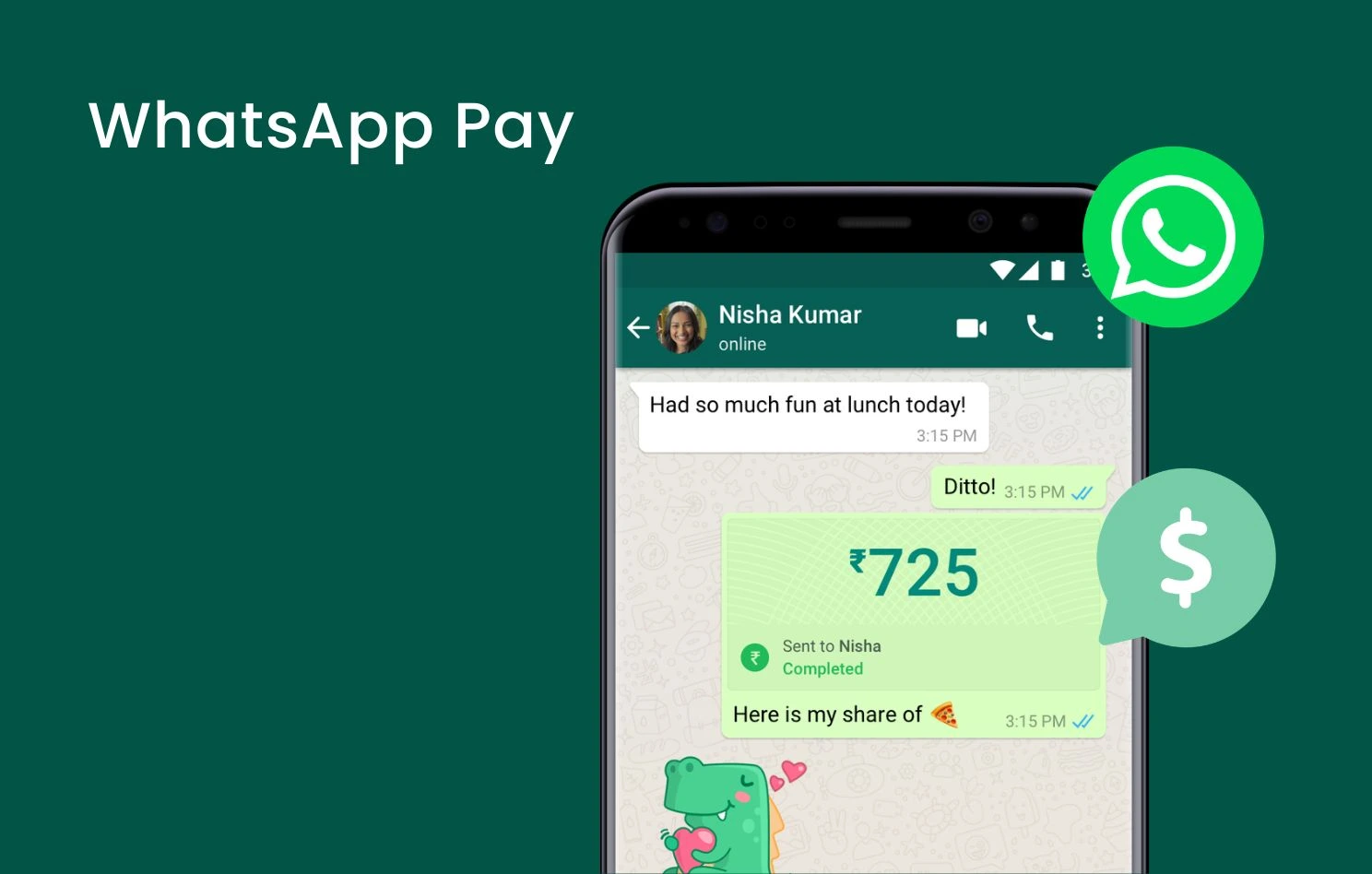
With the rapid rise of conversational commerce, customers increasingly demand seamless purchasing experiences. Major messaging platforms are integrating e-payment features to provide a one-stop journey from inquiry to ordering and payment. Among these, Meta’s WhatsApp Pay (WhatsApp Payments) has garnered the most attention from businesses and consumers alike. How exactly does WhatsApp Pay work? Can individuals or merchants in Hong Kong use it? This article provides a comprehensive analysis of Wh

In today’s fragmented digital landscape, brands face high costs acquiring new customers across competing channels. To build sustainable revenue, nurturing customer loyalty is critical—loyal customers buy more, lower marketing costs, and spark word-of-mouth growth. By tracking key metrics like LTV, churn, and repeat purchase rates through an integrated CRM module, brands can gain complete visibility into customer behavior. Empowering this CRM with AI technology—from predictive churn analysis

Has your WhatsApp Business account been banned or blocked unexpectedly? A WhatsApp Business account is usually banned because of policy violations, spam-like behaviour, bulk or automated messaging, use of unofficial apps, or data scraping. In this guide, “blocked” refers to an account-level restriction imposed by WhatsApp, not a customer blocking an individual chat. For many businesses in Hong Kong and across Asia-Pacific, WhatsApp Business is a critical channel for customer service, marketi
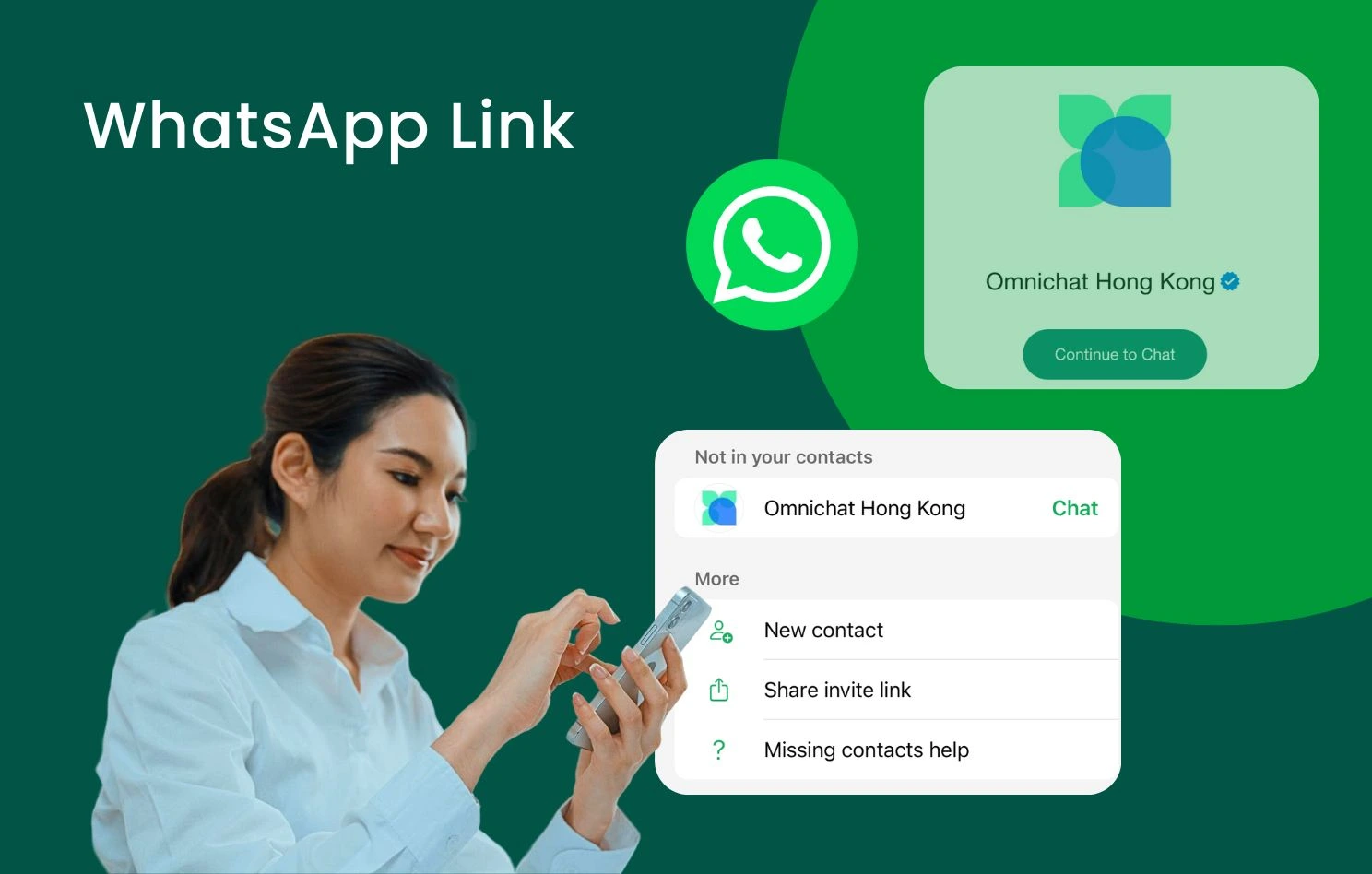
A WhatsApp link is a direct chat URL that lets customers message your business without needing to add the recipient’s phone number to your address book first. In this guide, you’ll learn how to create a WhatsApp link using the official wa.me format, add a preset message, copy and share the link across your website, ads, social media and QR codes, and understand when a WhatsApp link generator or WhatsApp Business API solution is more suitable for business conversations. For growing teams, a W