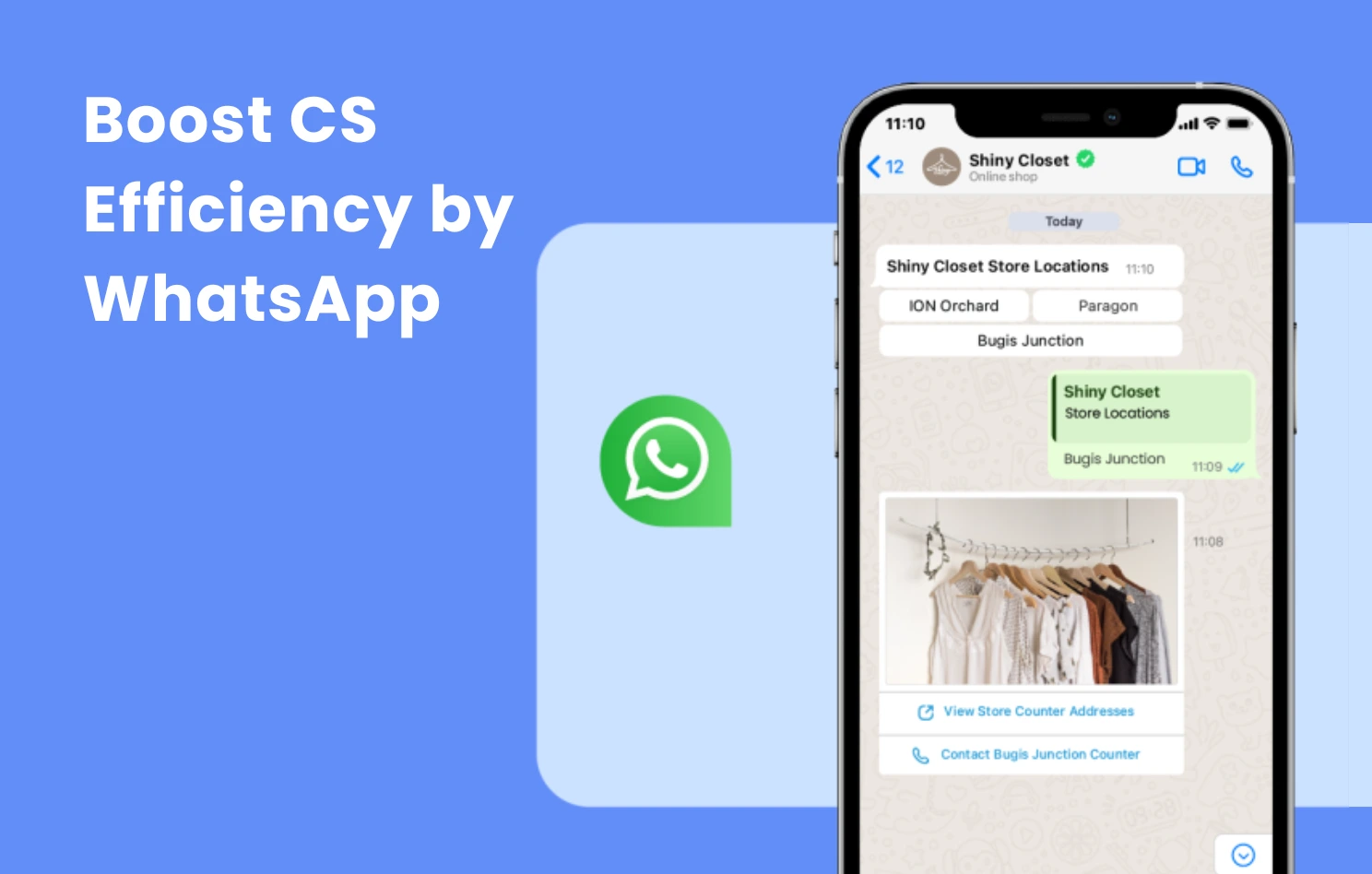
In 2026, customer behaviour has evolved faster than most brands expected. People no longer have the patience to browse through pages of product listings, wait for email replies, or sit through hotline queues. They want answers instantly, in the same familiar way they communicate with friends and family — through messaging. This shift has reshaped how businesses engage their audiences and given rise to a transformative approach known as conversational commerce. It is no longer a buzzword or a futuristic idea; it has become a practical and essential part of the customer journey on platforms like WhatsApp and LINE, where consumers already spend their time daily.
What Is Conversational Commerce?

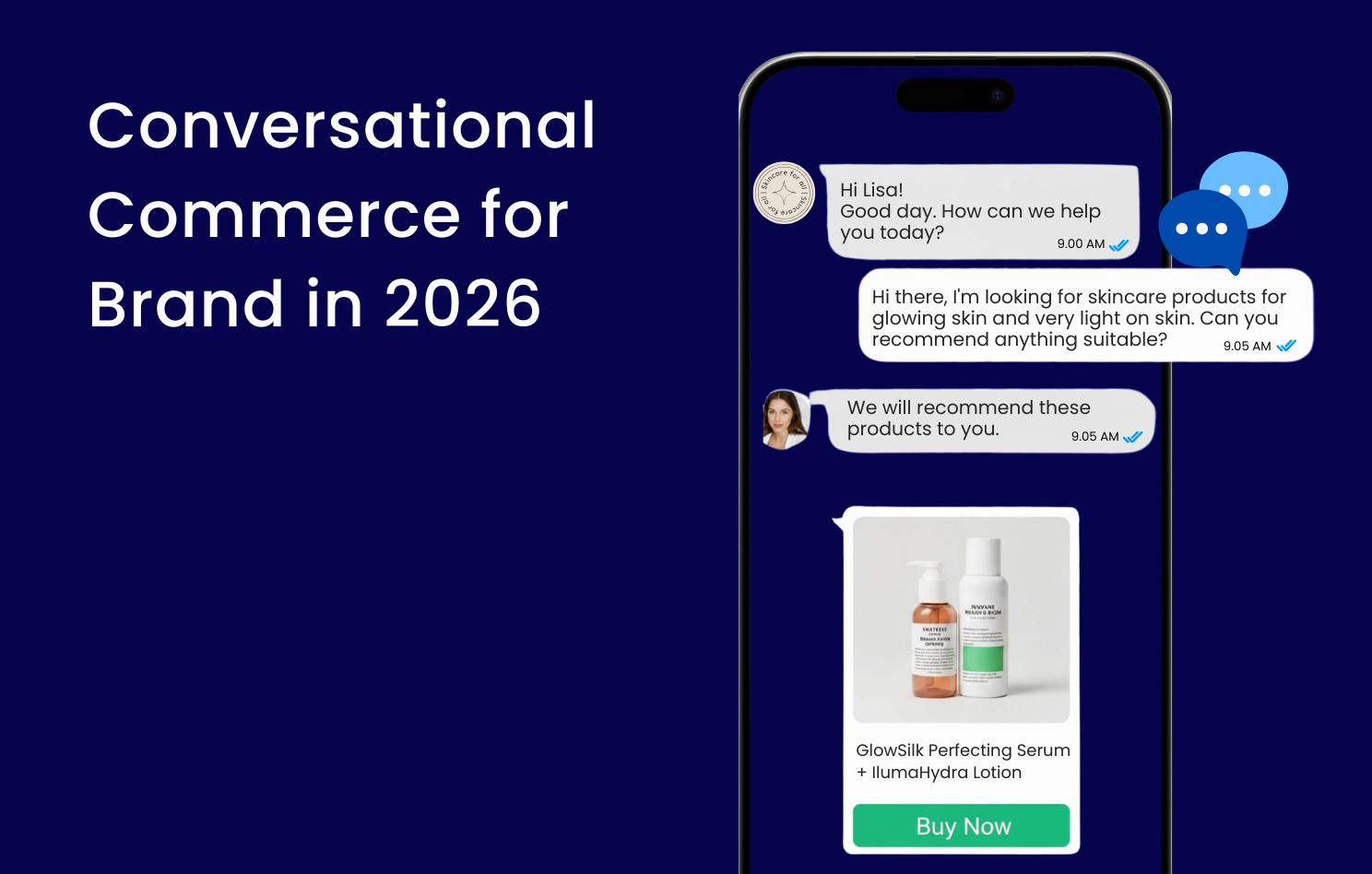
Conversational commerce refers to using messaging channels to guide customers through their buying journey — from product discovery to purchase and after-sales engagement — all within a chat. Instead of directing customers to complicated websites, brands can now answer questions, recommend products, send promotions, handle support, and even complete transactions inside messaging apps.
In simple terms, conversational commerce turns everyday conversations into conversions, allowing brands to communicate in a way that feels natural, human, and effortless.
Why Conversational Commerce Matters for Brands in 2026
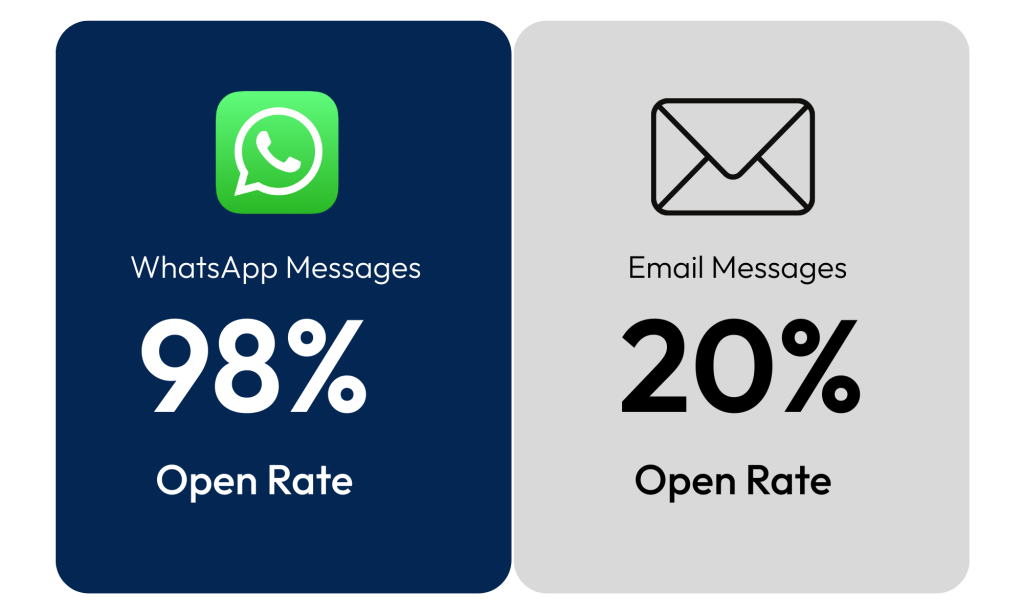
Conversational commerce has become increasingly relevant because customers no longer tolerate friction. They expect convenience, fast responses, and personalised interactions. Messaging delivers that immediacy, making it easier for customers to get what they need without having to navigate external platforms. It also offers significantly higher engagement than traditional channels such as email, with WhatsApp messages being opened at far higher rates. This means promotions, product launches, reminders, and personalised offers are more likely to be seen and acted upon.

Personalisation is another key driver. Mass marketing has rapidly declined in effectiveness, and customers now respond better to messaging that recognises their preferences, history, and behaviour. Through conversational commerce, brands can tailor recommendations and interactions based on browsing patterns, past purchases, loyalty status, and customer lifecycle.
Platforms like Omnichat enable this level of targeting by combining customer data with automation and AI, helping brands deliver personalised experiences at scale.
Customer support also becomes faster and smoother through conversational commerce. Instead of long queues or repeated explanations, customers can receive instant answers, chatbot guidance, agent escalation when needed, and real-time updates — all in a single thread. This reduces frustration and increases satisfaction, allowing brands to build trust more effectively.
The most significant advantage lies in long-term loyalty. Conversational commerce allows brands to nurture customers beyond the first purchase with timely reminders, exclusive offers, replenishment nudges, and personalised benefits. This strengthens retention, and retention remains one of the most powerful revenue drivers for any business.
How Conversational Commerce Works in Real Brand Scenarios
In practice, conversational commerce appears in many forms. A customer can ask for product recommendations and receive instant suggestions, including pricing and links to purchase, just as if speaking to an in-store assistant. Brands can send digital coupons that shoppers redeem online or in-store, tracking performance seamlessly. Messaging can also be used for interactive experiences such as lucky draws, quizzes, or spin-to-win activities, which not only encourage participation but also help brands collect valuable zero-party data.
To see how brands are applying these conversational commerce examples in the real world, readers can explore success stories like L’OCCITANE’s retail transformation through WhatsApp conversations, available here:
👉 https://blog.omnichat.ai/loccitanes-digital-transformation-building-personal-connections-on-whatsapp/
With AI-powered customer journeys, brands can automate welcome messages, abandoned-cart follow-ups, cross-sell prompts, loyalty reminders, and restock alerts — all without manual effort. These touchpoints run continuously, generating conversions even when staff are offline, making messaging a revenue engine rather than a support channel.
How Brands Can Begin Their Conversational Commerce Journey
Getting started begins with choosing the channels where customers are already active. In Southeast Asia, WhatsApp remains the dominant platform, while markets like Taiwan, Japan, and Thailand have stronger adoption of LINE. Instead of juggling multiple disconnected systems, brands benefit most from using a unified conversational commerce platform that connects messaging, automation, customer data, coupon capabilities, and reporting.
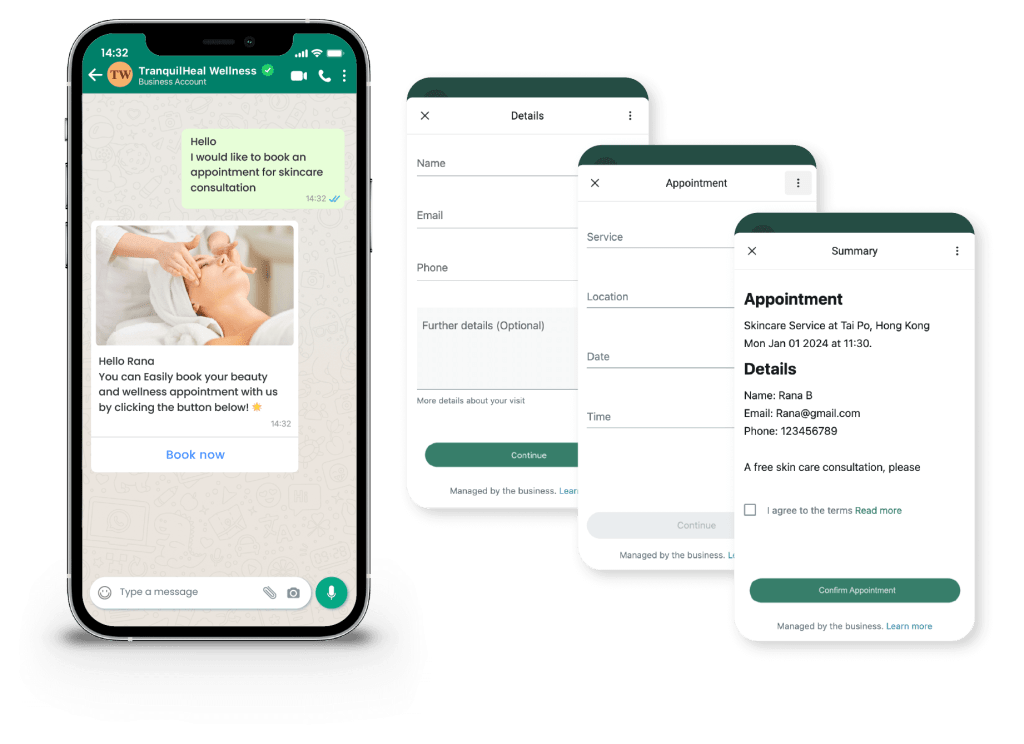
This is where platforms like Omnichat play a significant role by bringing these functions together, enabling brands to manage conversational journeys from end to end. With the proper setup, businesses can create flows such as sampling campaigns, appointment bookings, retail walk-in incentives, product recommendations, and post-purchase experiences — all designed to drive revenue and retention naturally through messaging.
To understand the difference between the WhatsApp app vs WhatsApp Business API — a key decision point for many brands — this comparison guide helps clarify the options:
👉 https://blog.omnichat.ai/whatsapp-business-vs-whatsapp-business-api/
The Growing Impact Across Industries
Conversational commerce is already reshaping categories such as beauty, retail, automotive, and FMCG. Beauty brands are seeing increases in sampling and boutique walk-ins. Automotive brands are qualifying leads faster through guided chat-based discovery. Retailers are seeing stronger repeat purchases driven by loyalty messaging. FMCG brands are engaging customers beyond the shelf with interactive promotions and rewards. The results are consistent across markets — messaging drives action, and action drives measurable outcomes.
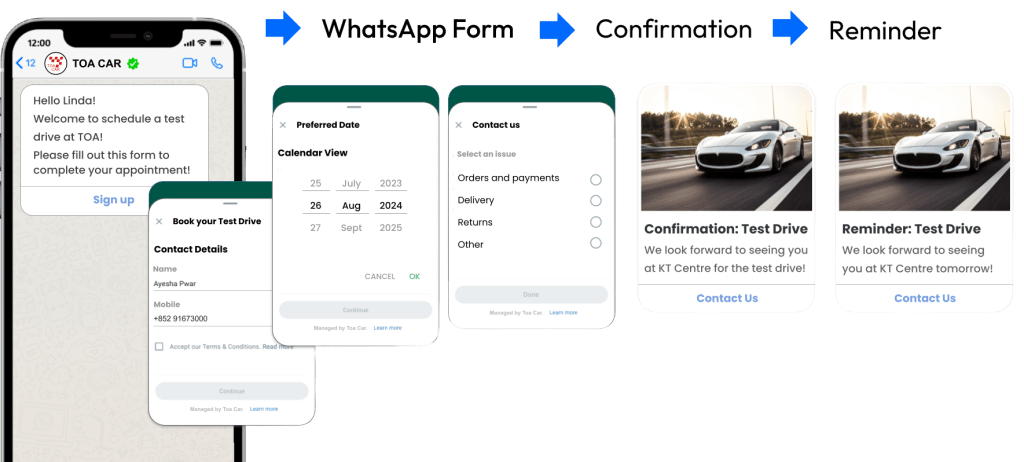
Readers can explore how automotive brands are using messaging here:
👉 https://blog.omnichat.ai/volvo-car-malaysia-driving-600-roi-through-whatsapp/
The Future of Conversational Commerce
As AI continues to advance, conversational experiences will become smarter, more predictive, and more deeply personalised. Brands will increasingly rely on messaging to reduce acquisition costs, increase lifetime value, and build customer relationships that feel human at scale. The brands that embrace conversational commerce now are positioning themselves ahead of the curve, while those that delay will struggle to keep up with rising customer expectations.
Conversational commerce has moved from optional innovation to essential strategy. It offers brands a way to simplify customer journeys, increase engagement, personalise communication, and generate measurable revenue — all through the messaging channels people already prefer. The real question businesses must ask is no longer whether conversational commerce matters, but how quickly they can adopt it. The future of customer engagement is conversational, and the brands that act now will define the market of tomorrow.
Book a Consultation