
Chatbots have become a staple in customer service, sales, and marketing in today’s digital-first world. But not all chatbots are created equal. As businesses strive to enhance customer experience and streamline operations, the conversation has shifted from traditional rule-based chatbots to more intelligent systems powered by Conversational AI / AI Chatbots. So, what’s the difference in technology and application between the two, and which one is right for your business? Let’s break it down.
💡 Key Highlights of Conversational AI vs Traditional Chatbots:
– Definitions: An in-depth analysis of the differences between traditional rule-based chatbots and Conversational AI / AI Chatbots equipped with NLP learning capabilities, providing guidance for businesses on how to choose the right solution.
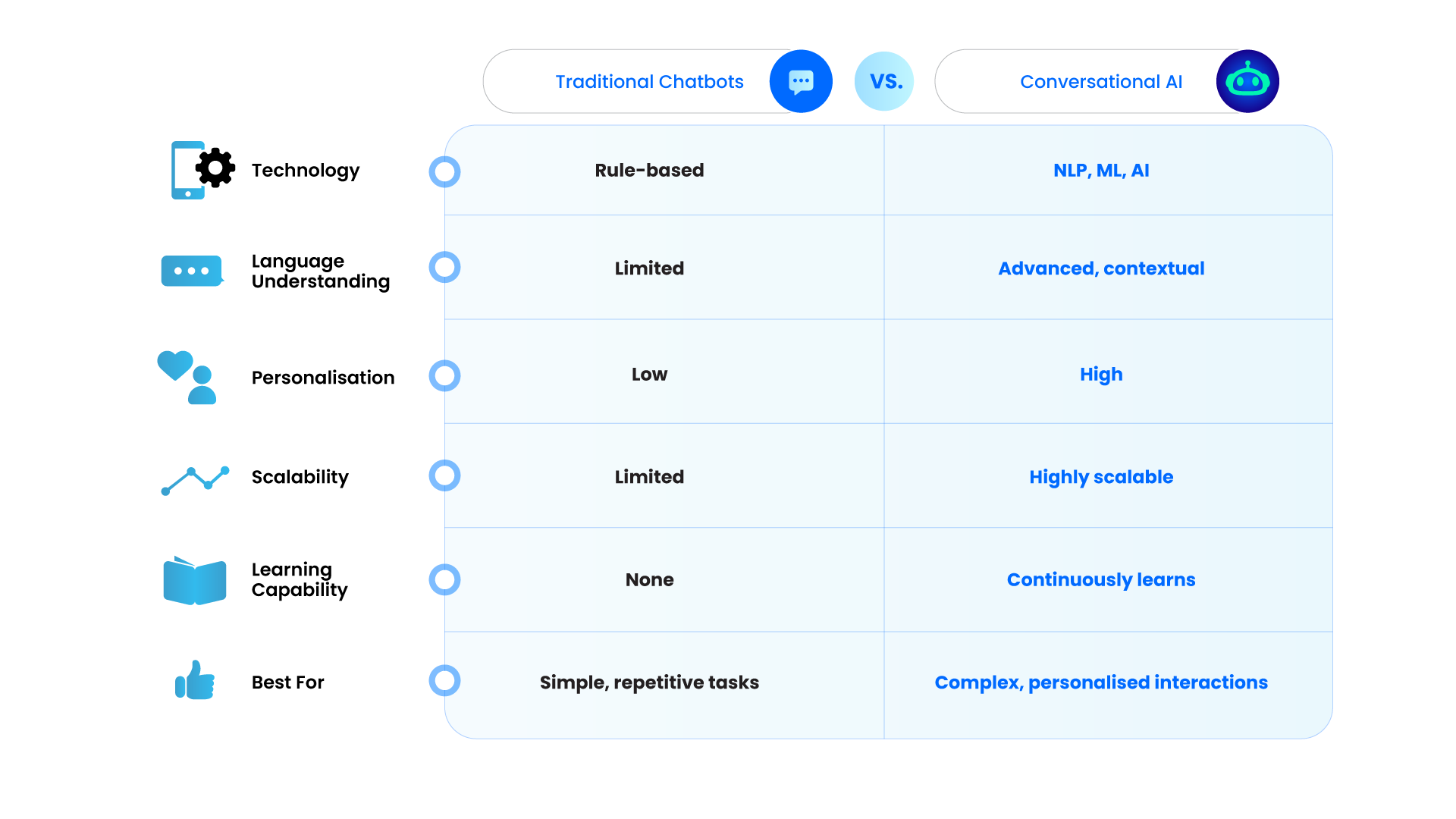
– Comparison Table: A clear comparison of their strengths and weaknesses in language understanding, personalisation, and scalability, enabling data-driven decision-making.
– Omnichat Advantage: A detailed look at the benefits of using Omnichat Conversational AI, including cross-platform integration, precision sales conversion, and human-AI collaboration—allowing brands to automate complex inquiries while maintaining a personalised, human touch.
What Are Traditional Rule-Based Chatbots?
Traditional chatbots are rule-based systems that operate on predefined flows. Think of them as interactive FAQs. They follow a set of scripted responses, and if a user deviates from the script or uses unexpected language, the bot often gets “stuck.”
Technical Principles: They primarily trigger responses through keyword matching or user-selected buttons.
Communication Limits: These bots can only follow established scripts. If a user deviates from the path, makes a typo, or uses slang/colloquialisms not in the script, the bot may crash or provide repetitive replies, asking the user to re-select an option.
Best Use Cases: Ideal for simple, linear, and repetitive tasks, such as checking store addresses, booking basic appointments, or collecting initial contact information.
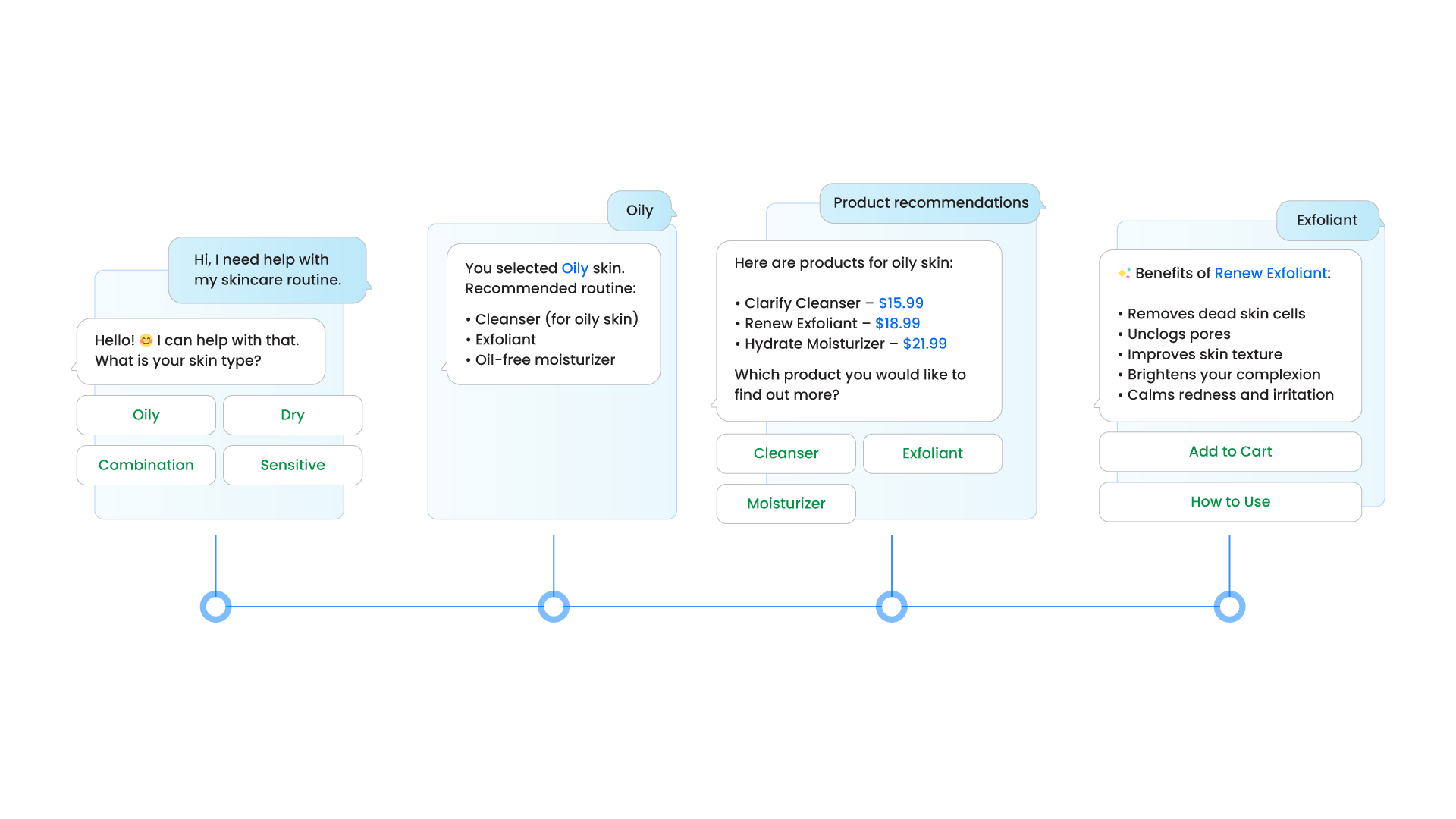
Example Use Case:
A customer wants to know the store’s opening hours. The chatbot identifies the keyword “opening hours” and replies with the pre-set time.
While effective for straightforward queries, traditional chatbots lack contextual understanding and often can’t handle complex or free-form conversations.
How Does Conversational AI / AI Chatbots Work?
Conversational AI is the evolution of the chatbot. It utilises Natural Language Processing (NLP), Machine Learning (ML), and advanced Large Language Models (LLMs) to understand language in a dynamic, human-like way. Common AI Chatbots (such as ChatGPT) are typical applications of Conversational AI, designed to provide users with fluid and natural dialogue through intelligent technology.
Unlike traditional bots, Conversational AI does not passively wait for keywords. Instead, it features:
Intent Recognition: Analyses sentence structure to identify the user’s underlying needs rather than just the literal meaning.
Context Management: Possesses “dialogue memory,” allowing it to remember previous messages for seamless, multi-turn conversations.
Self-learning: The system continuously trains and optimizes based on interaction data. The more it talks, the more accurate its responses become.

Example Use Case:
A customer asks, “Hey, I need a dress for a wedding next weekend, can you help me find something classy but not too expensive?”
Conversational AI can:
- Understand Intent: Recognise this as a “product recommendation” request rather than a complaint.
- Multi-angle Filtering: Extract three variables: “Wedding” (occasion), “Classy” (style), and “Not too expensive” (budget).
- Personalised Suggestions: Provide precise, human-like recommendations based on inventory, rather than just sending a list of cold links.
Popular platforms include:
Comparison of Conversational AI / AI Chatbots vs. Traditional Chatbots
Why Businesses Choose AI Automation
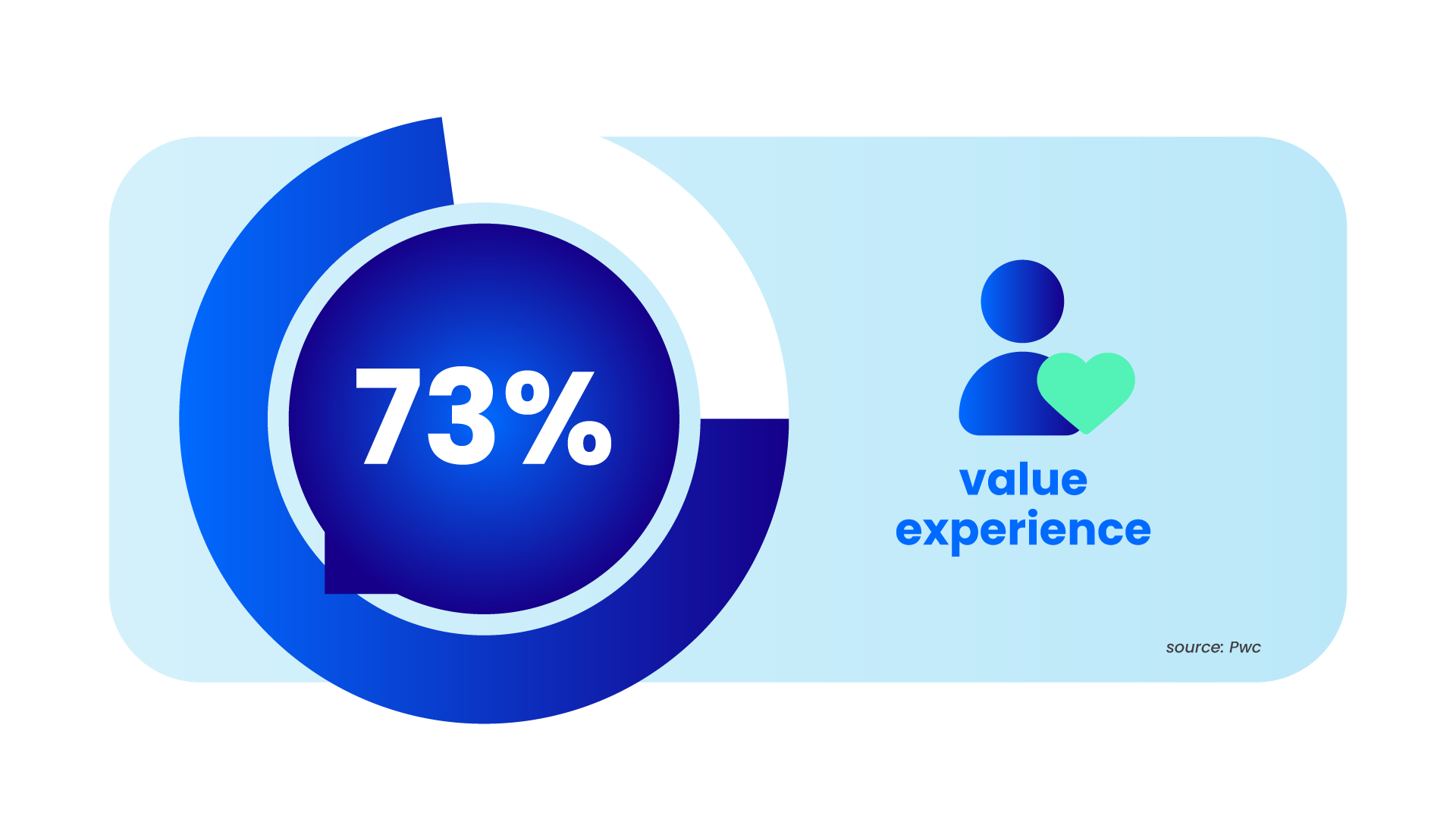
Consumers today expect fast, personalised, and natural conversations with brands. According to PwC’s research, 73% of consumers say a good experience is key in influencing brand loyalty.
Conversational AI helps businesses achieve real Business Value (ROI):
- Significant Reduction in Labor Costs: Automatically handles up to 80% of daily inquiries, relieving the pressure of labor shortages and recruitment challenges in Hong Kong.
- Improved First Contact Resolution (FCR): Customers don’t need to repeat themselves. AI can resolve complex consultations in one go, reducing the need for human intervention.
- Precision Sales Conversion: Transforms the customer service window into a 24/7 “Star Salesperson” through intelligent product recommendations.
- Deep Data Empowerment: Collects CRM data for sentiment analysis and demand forecasting to optimize marketing decisions.
Selecting the Best Chatbot Solution
The evolution from traditional chatbots to Conversational AI is not just a tech upgrade; it is a transformation in brand-customer communication. Businesses should choose based on their stage and goals:
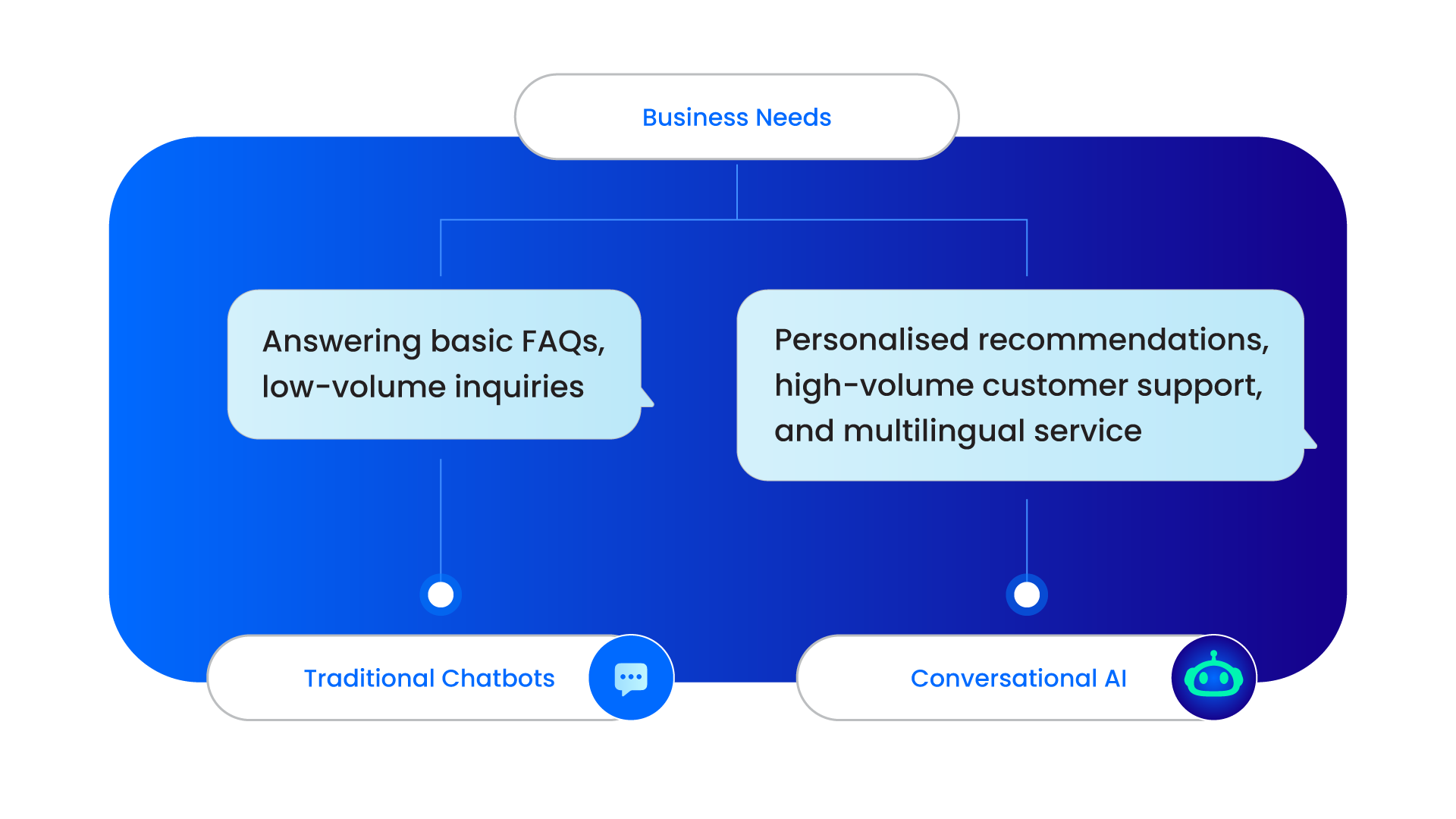
- Traditional Chatbots: If you are just starting out with a limited budget and only need to handle basic info like addresses or FAQs, a traditional bot may suffice.
- Conversational AI: If your goal is to scale operations, increase customer engagement, and provide a hyper-personalised experience, investing in Conversational AI will save operational resources and build deeper, more profitable interactions.
WhatsApp Business with Conversational AI

When WhatsApp Business integrates with Conversational AI, “Chat Commerce” is no longer limited to auto-replies. It evolves into a growth tool that proactively reaches out, guides purchases, and closes deals within the chat window.
1. Cross-platform Omnichannel Integration
Platforms like Omnichat deeply integrate Conversational AI with WhatsApp Business API, Messenger, Instagram, and website widgets. This ensures a consistent and intelligent experience across all major social channels.
2. Core Features & Advantages
Omnichat does more than provide a bot; it creates “Digital Employees” capable of understanding intent and driving conversions:
- AI-Driven Automation: Say goodbye to mechanical replies; accurately identify the real needs of customers.
- Advanced AI Assistant: Deploy AI agents that understand context for human-like professional service.
- Precision Sales Drive: Convert traffic into actual sales through personalised recommendations and thoughtful follow-ups.
- Full Data Tracking & Analysis: Built-in tools track every transaction generated from AI interactions to measure actual ROI.
- Human-AI Collaboration: Supports smooth handovers. When a sensitive or highly complex issue arises, the AI can instantly transfer the case to a human agent.
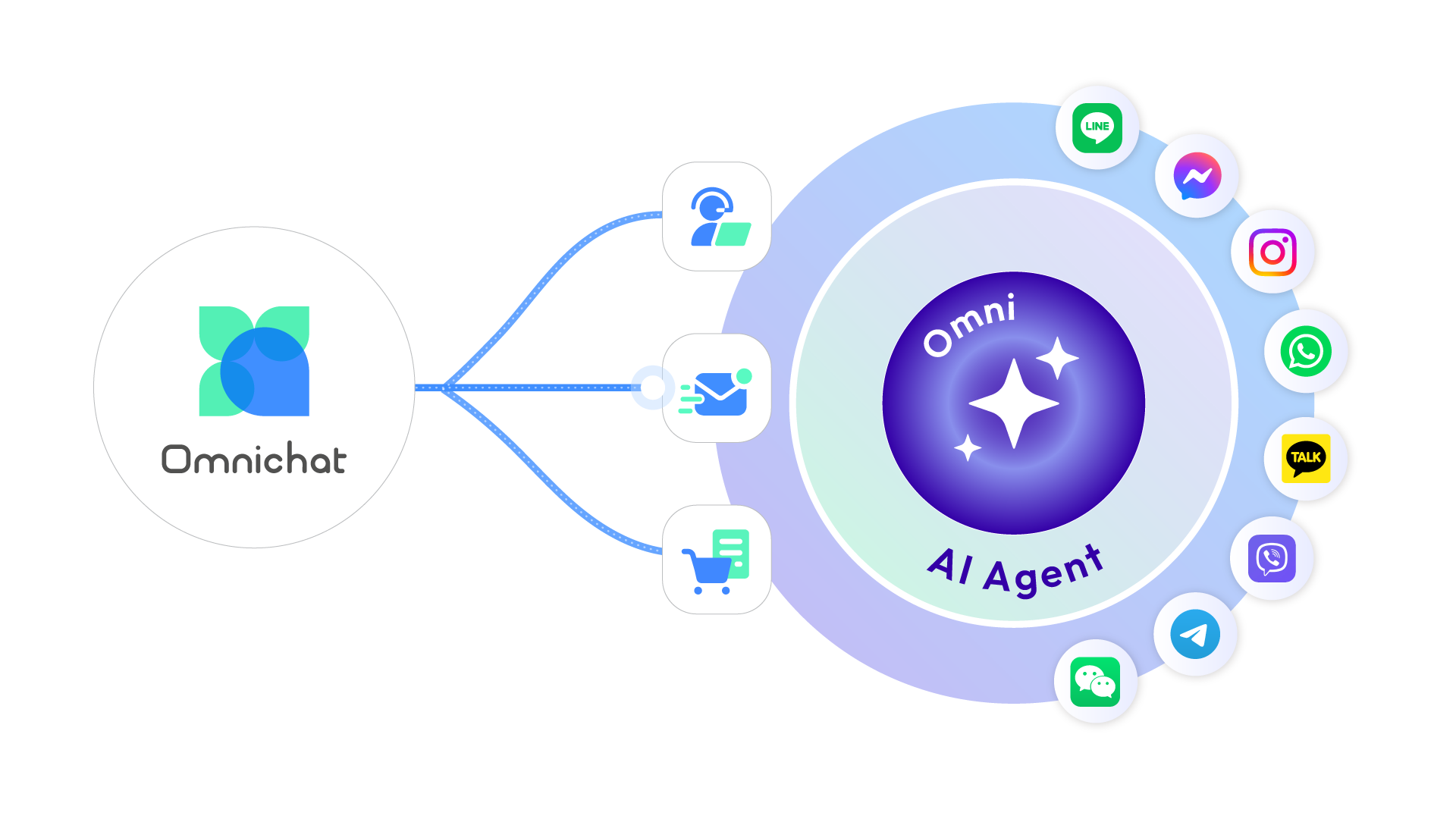
Whether you are in E-commerce, Retail, Real Estate, Automotive, or the Service Industry, Omnichat helps you deliver smarter, faster, and more human-like conversations at scale.
Ready to boost your business conversion?
👉 Learn more and book a free demo at: www.omnichat.ai/sg
Book a Consultation