
17 results found.

Artificial intelligence (AI) is rapidly transforming the business landscape, and a new paradigm is emerging: Agentic AI as a Service (AaaS). This approach offers businesses a powerful and flexible way to integrate sophisticated AI capabilities into their operations without the need for extensive in-house expertise or infrastructure investment. Powered by large language models, an AI Agent within this model is designed to support reasoning and decision-making across business workflows. 💡 Key T

By 2026, retail will no longer be defined by channels or touchpoints. It is determined by intelligence. Industry research shows that more than 70% of retailers are actively investing in AI-driven customer experience, while over 60% of consumers expect personalised recommendations as a default, not a bonus. At the same time, social and messaging platforms have become primary discovery environments, and conversational commerce continues to grow as a share of global digital transactions. These forc

Social commerce is entering a more disciplined phase. What started as brands responding to direct messages has evolved into a core channel through which customers evaluate, trust, and transact with businesses. By 2026, success in social commerce will depend less on channel presence and more on how intelligently conversations are managed at scale. This is where artificial intelligence becomes foundational. Not as a novelty, but as the system that makes social commerce commercially viable and oper
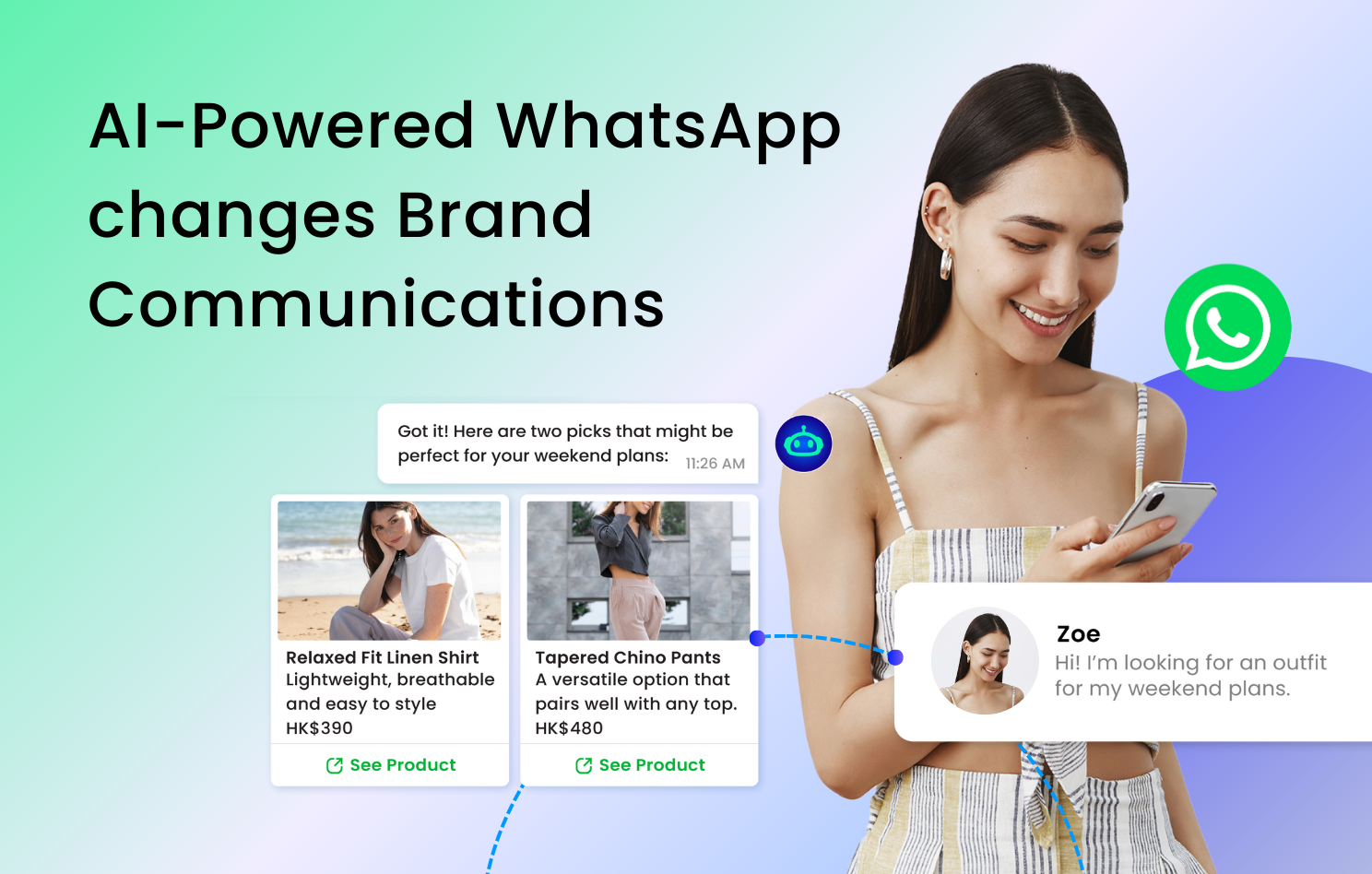
Brand communication strategists around the world have shifted their approach to doing business by involving customers in conversations. For years, businesses relied on passive, one-way methods like email blasts and static websites; moreover, the focus was always on products rather than value. However, consumer behaviours have changed with technology, due to the COVID-19 outbreak. According to McKinsey & Company, organisations fast-tracked the digitisation of customer interactions and interna
In the future, AI customer service will become the standard for all industries. Enterprises will use AI to handle processes like FAQ, order inquiries, and marketing flow, significantly improving efficiency. The brand’s need is no longer for “one AI,” but for multiple AIs to collaborate. The marketing team wants an AI that understands events and product promotions, the customer service team needs an AI that can read FAQs and SOPs, the travel industry needs a trip planning AI, and e-commerce wants
AI is changing how businesses connect with people. From ads and content to customer chats, AI marketing has become part of everyday work. It helps teams save time, better understand customers, and make marketing more personal. But is it really a game-changer—or just hype? 🎯 AI-Powered Personalisation that Truly Connects Imagine being able to interact with your customers on a personal level—thanks to AI, this is now a reality! Rather than broadcasting the same message to everyone, AI und
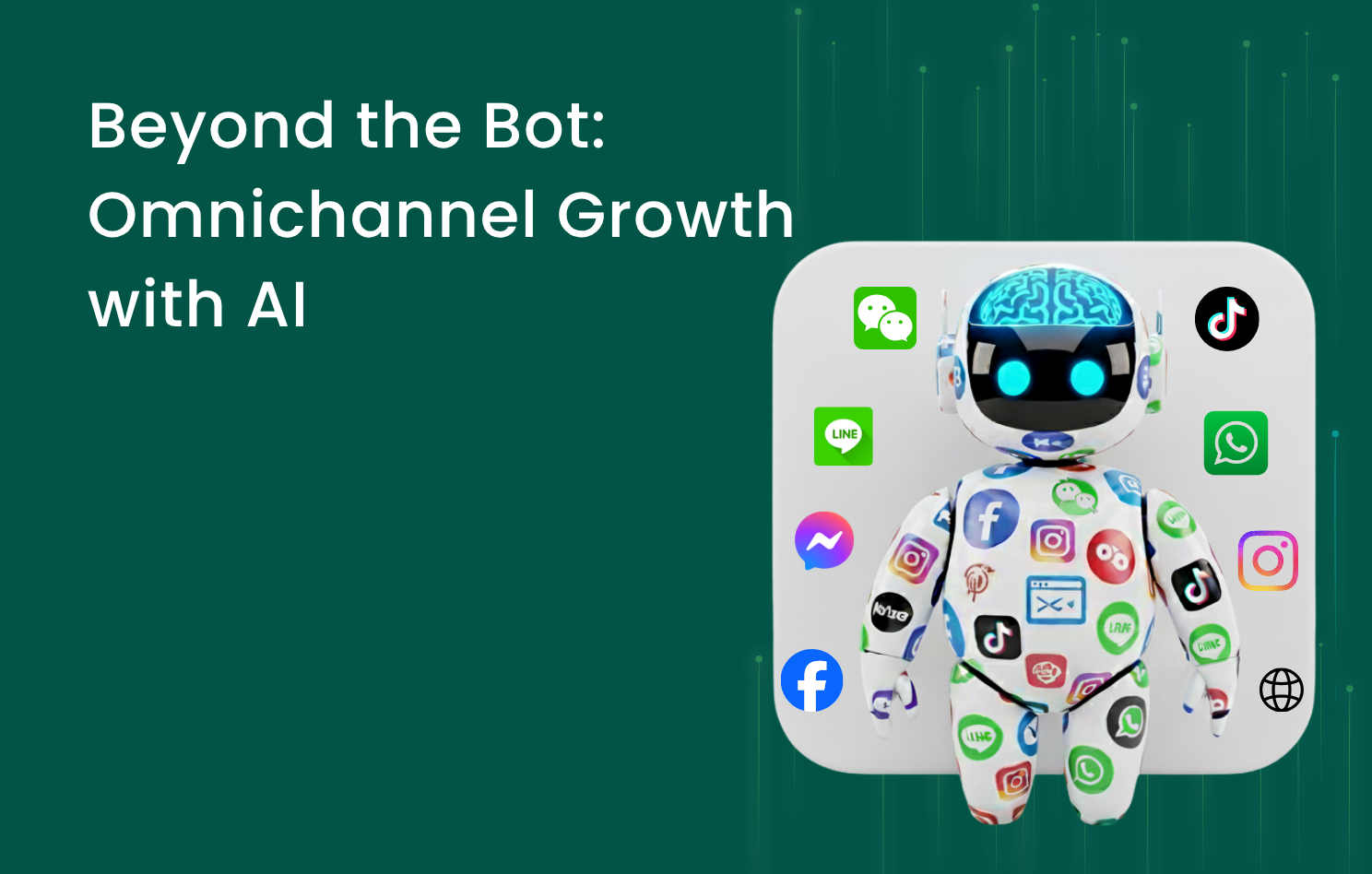
By 2025, Gartner predicts that 80% of customer interactions will occur digitally. It’s a powerful reminder of how quickly customer engagement is evolving—and how brands must adapt to it. For years, chatbots were seen as the digital frontline: quick to respond but limited in their understanding. They could answer basic questions, but they couldn’t truly connect. That’s now changing. With the rise of AI-driven omnichannel solutions, businesses are moving beyond scripted chatbots to deliver

AI chatbots have become quite popular, with major tech companies developing their own generative AI. Microsoft Copilot is now available on WhatsApp for free, without needing to download an app or use a VPN. Its functions, including composing messages, answering questions, generating images, and translating, help users enhance their daily communication and work efficiency. This article will provide a detailed introduction to Microsoft Copilot on WhatsApp and how to apply its features practically.

Chatbots have become a staple in customer service, sales, and marketing in today’s digital-first world. But not all chatbots are created equal. As businesses strive to enhance customer experience and streamline operations, the conversation has shifted from traditional rule-based chatbots to more intelligent systems powered by Conversational AI. So, what’s the difference between the two, and which one is right for your business? Let’s break it down. What Are Traditional Chatbots? Traditional