As WhatsApp prepares for the phased rollout of its privacy protection policies starting in June 2026, Meta is set to officially launch the “Usernames” feature. This transition introduces a new backend identification mechanism: the Business-Scoped User ID (BSUID). For businesses using the WhatsApp Business Platform, adopting this identifier is essential to prevent service disruptions and ensure you can continue reaching your customers effectively.
💡 Key Takeaways:
- Privacy-First Messaging: WhatsApp is launching optional usernames, allowing users to communicate without revealing their phone numbers to businesses.
- New Identifier: Businesses must adopt the Business-Scoped User ID (BSUID) to identify and message users who opt for usernames.
- System Readiness: Businesses must integrate the BSUID into their CRM and audit all automation flows—including chatbots and performance tracking—to ensure uninterrupted service as phone numbers become hidden.
- Consistent Connectivity: Phone numbers are not going away; you can still message existing contacts using known numbers.
What are WhatsApp Usernames?
Traditionally, WhatsApp accounts have been tied strictly to mobile phone numbers. However, users have expressed a preference for controlling when and with whom they share this private information.
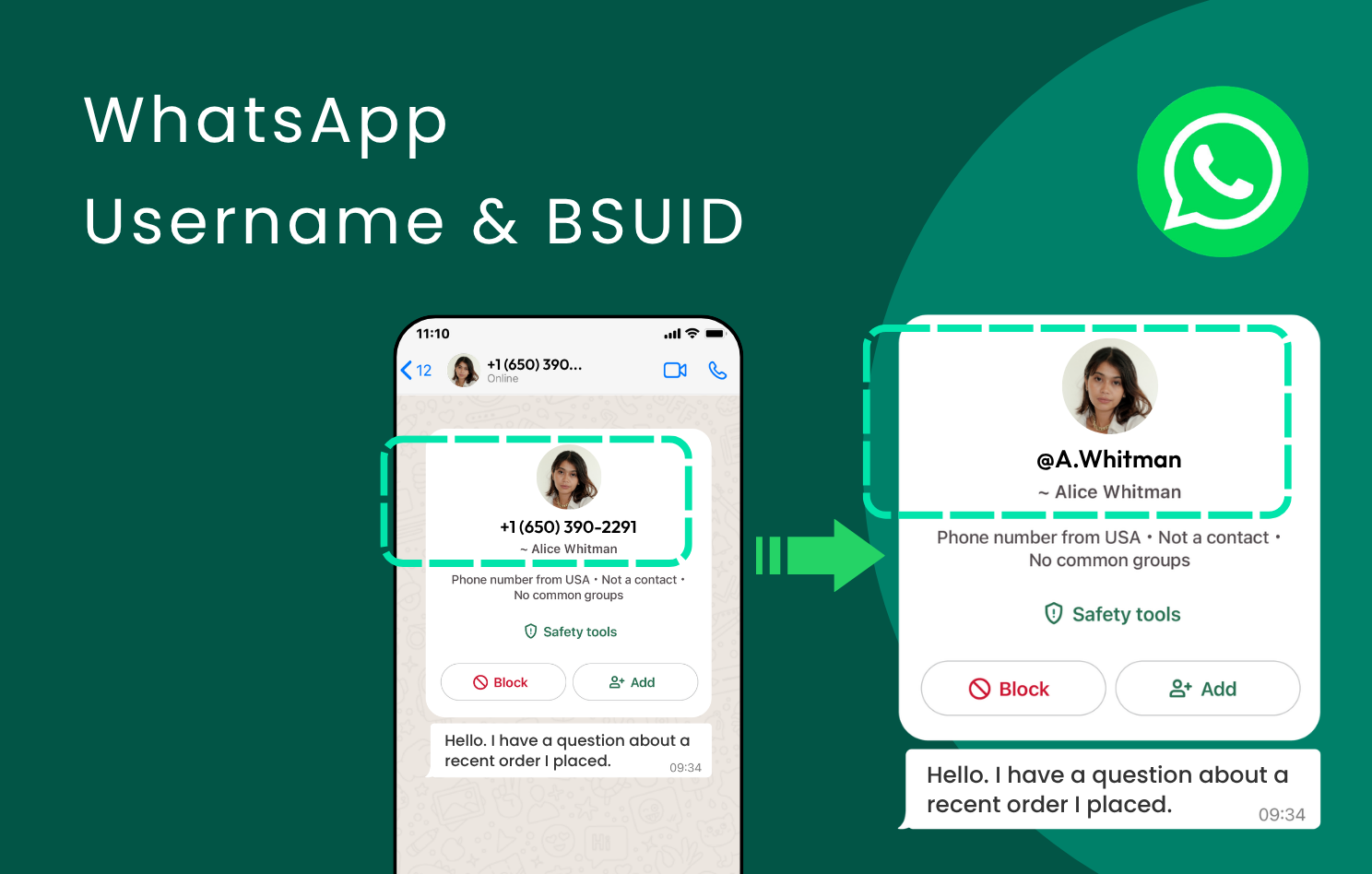
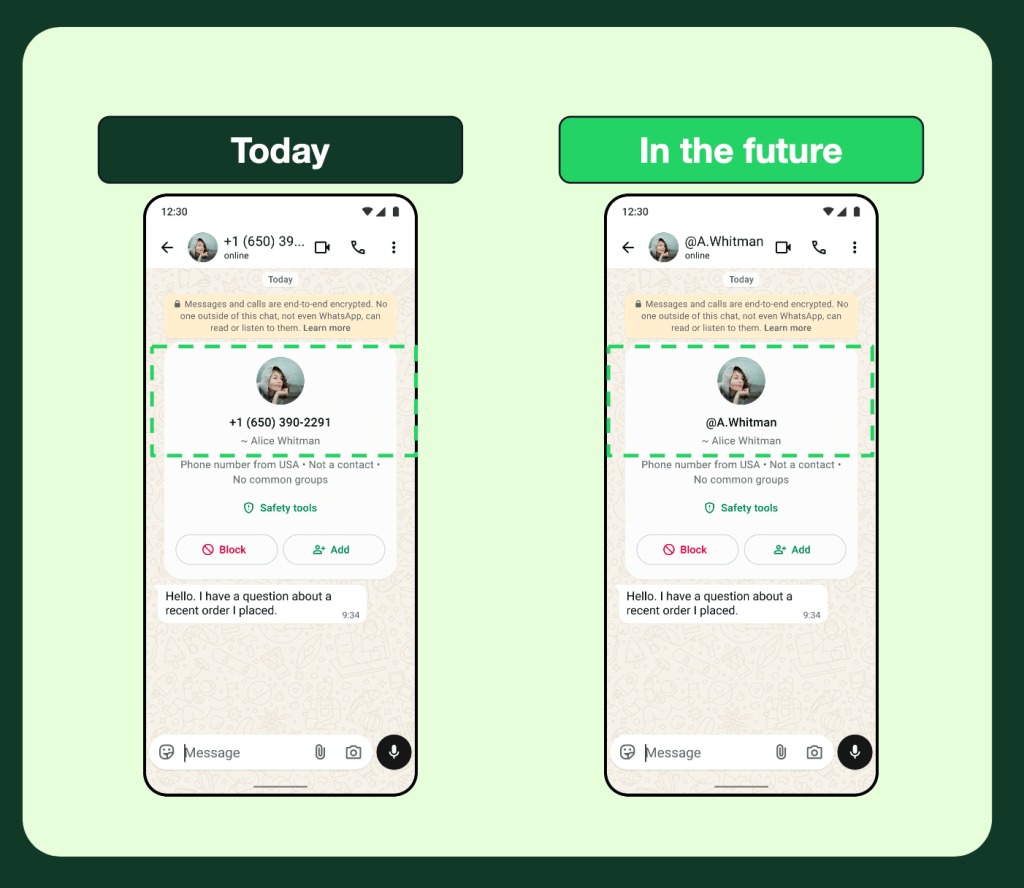
With this update, users can choose a unique Username (e.g., @A.Whitman). This allows customers to start 1:1 chats or join groups without revealing their phone number, fostering greater trust and comfort when engaging with your brand.
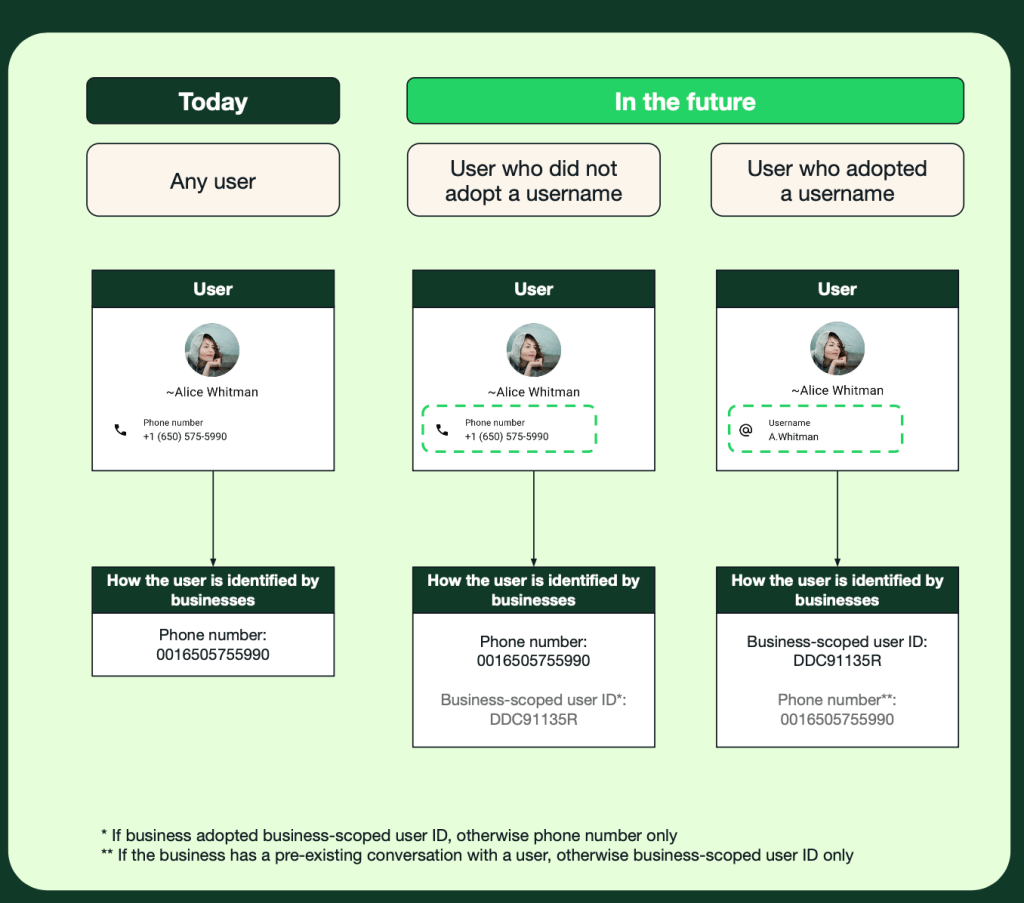
The situation moving forward depends on individual user choice :
- If a user adopts a username, their phone number will be hidden by default from businesses they message.
- If a user decides not to adopt a username, they will remain identifiable by their phone number just as they are today.
- If you already possessed the user’s phone number before they enabled a username, or if there was an interaction between both parties within the 30 days prior to them enabling it, their phone number will remain visible to you.
Establishing Your Brand: Claiming WhatsApp Business Usernames
Businesses can also adopt usernames to build a professional, searchable presence. This allows customers to find you by name at Whatsapp.
Starting in June 2026, you can officially claim usernames reserved for Official Business Accounts and Meta Verified names. Meta will share more specific instructions on how to claim your business name soon.
Beyond the Phone Number: Understanding BSUID
While usernames protect privacy on the front end, businesses need a reliable way to identify customers on the back end. This is where the Business-Scoped User ID (BSUID) comes in.
The BSUID is a unique, anonymized identifier assigned to a user specifically for your business. For enhanced security, two different businesses will see different BSUIDs for the same user, preventing cross-business tracking.
How BSUID works for your business:
- User who did NOT adopt a username: If your business has adopted the BSUID system, you will receive their Phone number AND their BSUID. Otherwise, you will only see the phone number.
- User who adopted a username: You will primarily identify them via their BSUID. You will only see their phone number if you have a pre-existing conversation with them; otherwise, you will only receive the BSUID.
Immediate Actions for Businesses:
- CRM Upgrade & System Integration: If your system is technically integrated with Omnichat and involves transferring customer data back to your own platform for processing, we recommend adding a dedicated BSUID field to your CRM and related operational systems. This ensures you can record the BSUID alongside phone numbers and emails, preventing any loss of customer interaction history due to changes in identifiers.
- Build logic to support handling multiple identifiers : phone number from non-username adopters; BSUID from username adopters, without phone number present), and map relevant fields back to their CRM/database
- Map Existing Data: Use the BSUIDs now appearing in your webhooks to map your current customer database to these new identifiers.
- Utilize Native Sharing: If a phone number is required for your service (e.g., shipping), use the native sharing flow to ask users to share it securely. (More details will be provided by Meta later)
- Claim Your Business Username: Prepare to claim your reserved business username starting in June 2026.
Book a consultation with an Omnichat professional consultant immediately, and let us help you complete your technical deployment. We ensure you can still accurately identify customers and maintain highly efficient automated service workflows in the new era of WhatsApp privacy!
Book a Consultation