Book a Consultation

Conversational commerce is transforming the retail landscape, and WhatsApp is leading the way. The WhatsApp Business App and WhatsApp Business Platform (API) serve different needs for retailers. The Business App is free and can be set up directly by the business, while the API requires working with an official WhatsApp Business Solution Provider.
WhatsApp has become an essential tool for retailers to connect directly with their customers. Whether you are managing a boutique or a large retail chain, applying the right WhatsApp Business tips can improve how you engage, promote, and sell.
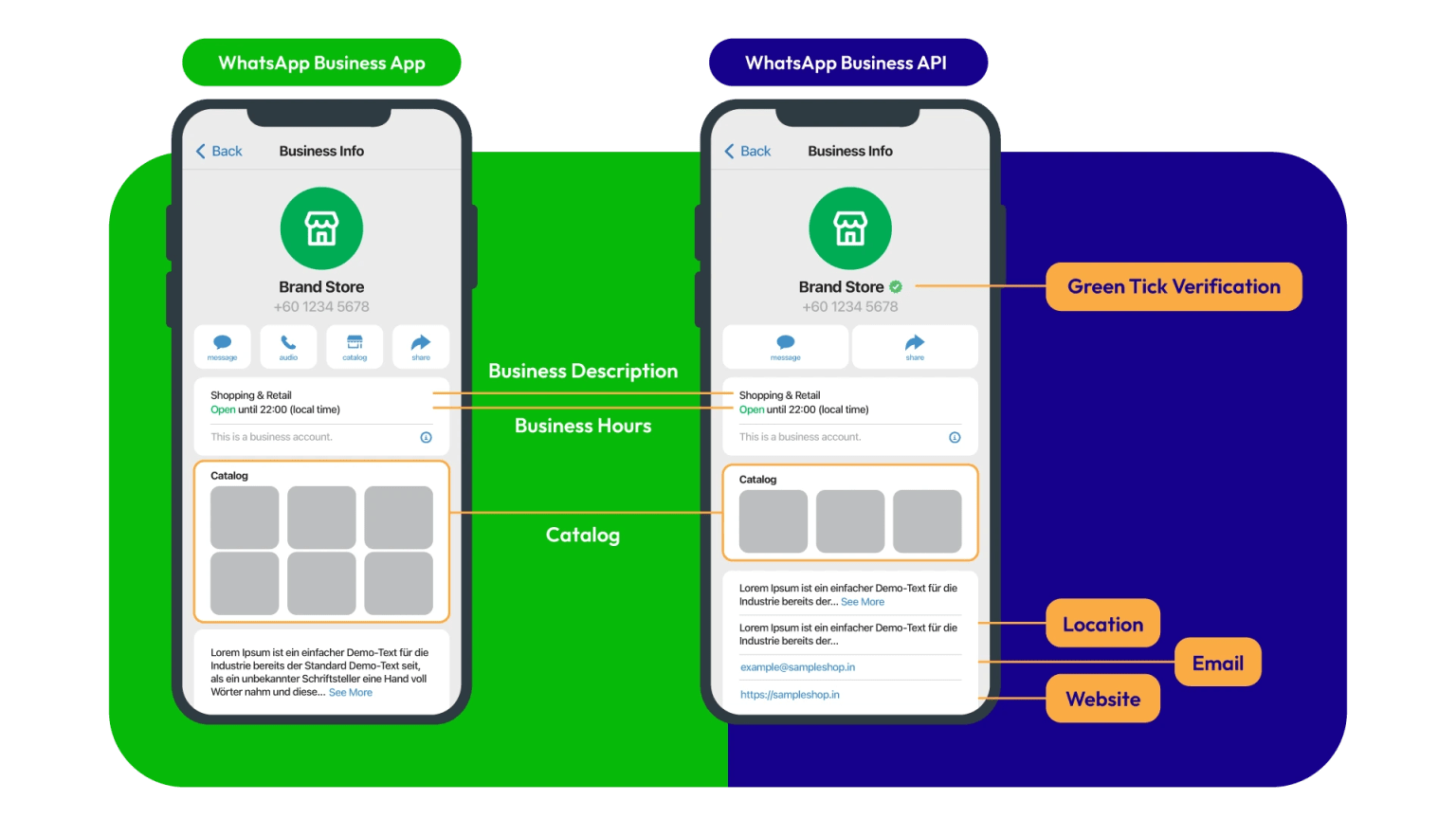
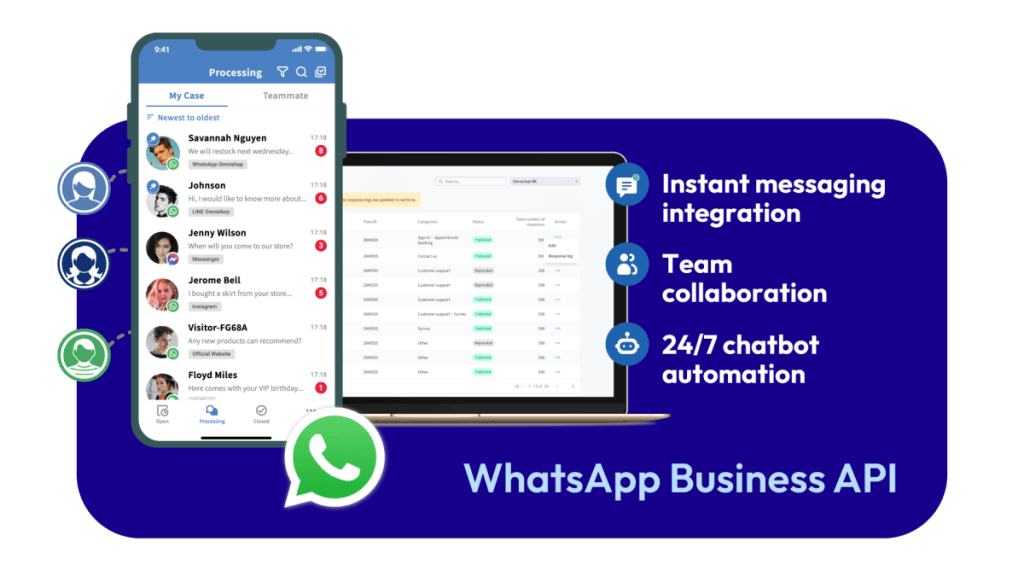
There are two main solutions for marketing using WhatsApp: the WhatsApp Business App and the WhatsApp Business Platform (API). The Business App suits small retailers who want a quick, cost-free way to manage chats, share product catalogues, and reply to customers from a mobile device. For medium to large retailers, the Business Platform offers advanced features such as automation, CRM integration, and multi-agent management, helping teams scale customer support and marketing efficiently.
By using WhatsApp for the retail industry, businesses can offer personalised shopping experiences, share promotions instantly, and turn conversations into measurable sales. Features such as message templates, product catalogues, and chat automation help retailers maintain consistent communication and enhance customer satisfaction.
Ditch the generic profile and craft a WhatsApp hub that stands out. Think of it as your digital storefront, where retail customers can explore what your brand offers before even stepping into your shop or website. Fill it with details that matter: business hours, location, a clear description of your products or services, and an up-to-date catalogue. A complete profile builds trust and makes your WhatsApp marketing efforts more effective by helping shoppers find key information instantly.
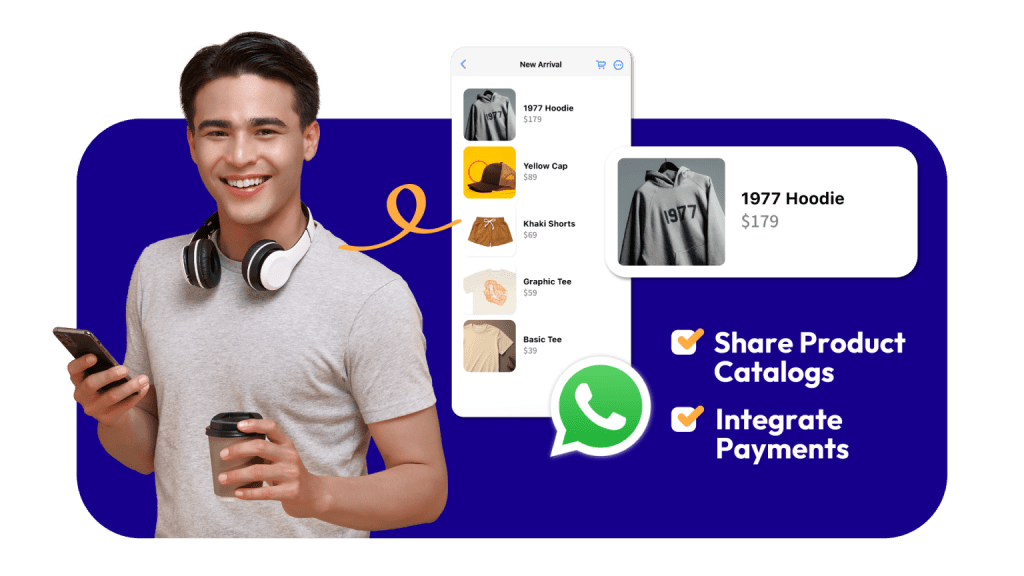
Forget plain product lists. Use the WhatsApp Business Catalogue to create a visually appealing digital storefront for your retail brand. Upload high-quality photos, detailed descriptions, and prices for each item. Customers can browse your collection and make informed decisions, all within WhatsApp. This makes shopping easy and helps your retail audience make quicker, more confident purchase decisions.
You can also link your catalogue to your website or checkout page to guide customers smoothly from chat to purchase. The seamless experience keeps shoppers engaged, strengthens your WhatsApp marketing strategy, and encourages repeat sales.
People love feeling valued. Use WhatsApp’s contact labels to categorise your customers. This allows you to send targeted messages and promotions based on their interests and purchase history. Imagine sending a special birthday discount or offering early access to new arrivals – it’s a recipe for customer loyalty!
But what if you have hundreds or even thousands of customers? Manually identifying each contact and sending personalised messages can be a huge time commitment.
That’s where tagging and custom attributes functions come in. For starters, setting up tags allows you to categorise customers based on their past interactions while custom attributes replace tags when the business grows. They allow merchants to create specific fields and segment customers more effectively, leading to better customer profiles and increased sales.
For example, a customer who purchases a specific product line can be automatically tagged as “Fitness Enthusiast” and added to a workflow that sends them promotions on new workout gear. You can even create a birthday workflow that automatically pulls the customer’s date of birth from your CRM and sends a personalised discount message. This not only saves you tons of time but also ensures every customer receives relevant and timely communication, strengthening your relationship and boosting brand loyalty.
Text is informative, but visuals like images, videos, and GIFs capture attention faster and leave a stronger impression. WhatsApp Business lets you share these multimedia elements in your messages, driving higher engagement and better recall for your retail brand. Elevate your brand image and improve the customer experience by sharing digital brochures or product showcases directly through WhatsApp. You can also use videos and GIFs to make your conversations more interactive and appealing.
For retailers looking to stand out, go beyond static media. Incorporate gamification and digital coupons into your WhatsApp marketing campaigns.
Gamification taps into customers’ natural desire for competition and achievement. Imagine a health and beauty brand promoting its products at a physical event. Instead of relying on a single spin-and-win wheel, using a digital version accessible via WhatsApp allows far more people to join the fun. Visitors can play anytime and share the game with friends, expanding your reach and visibility. By offering instant rewards such as discount coupons for first-time visits while collecting contact details, this approach not only increases engagement but also streamlines customer acquisition and drives sales growth.
Coupon is a powerful tool to incentivise purchases and try new products. By offering exclusive discounts and deals through WhatsApp, you can create a sense of urgency and exclusivity that entices customers to take action. You can even tailor these offers to specific customer segments, personalising the experience and maximising impact.
WhatsApp Business is also known for its auto-responder feature that help businesses to inform customers that their message has been received and manages their expectations regarding response times.
While built-in greeting and away messages are a helpful start, WhatsApp Business API unlocks a whole new world of automated messaging possibilities, allowing you to create a truly active chatbot and elevate your customer service game. Here’s how:
Master the Magic of Keyword Auto-Replies: Take keyword auto-replies to the next level. Instead of generic responses, use the API to create dynamic reply options based on specific keywords within a message. For example, if a customer texts “delivery status,” the API can instantly trigger a message with their latest tracking information.
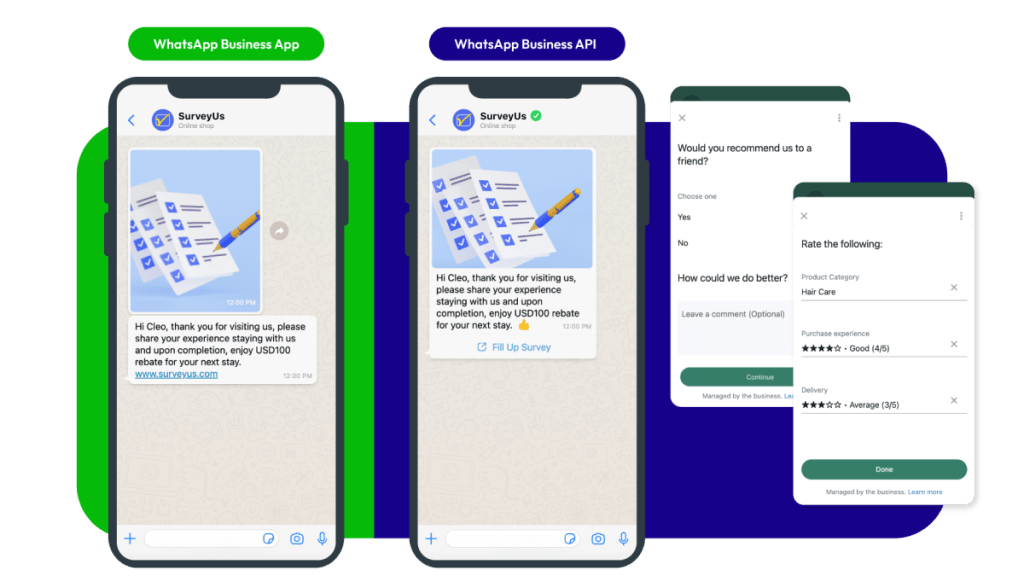
WhatsApp Business is a powerful channel for collecting customer feedback, as it generally achieves higher click-through and response rates than most other platforms. Businesses can gather insights easily by sending customers a satisfaction survey link directly through WhatsApp chat, allowing them to share their experiences quickly and conveniently. However, directing users to an external link can sometimes cause drop-off, so it is worth finding ways to minimise that friction.
For deeper engagement, the WhatsApp Business Platform (API) takes customer feedback to the next level with WhatsApp Flows. Flows are interactive, in-chat forms that let customers complete surveys or submit feedback without leaving the app. This creates a smoother experience, reduces drop-off rates, and helps businesses capture more accurate, real-time insights from every conversation.
WhatsApp Business offers a fantastic platform for real-time customer service, allowing you to respond promptly to enquiries, address concerns directly, and even offer personalised product recommendations within the familiar WhatsApp interface. This setup is sufficient if you are handling a small number of customer interactions.
However, its limitations can become apparent when managing a high volume of customer interactions, particularly regarding enquiries and complaints. Here’s where WhatsApp Business API steps in as a game-changer. The API unlocks a unified dashboard, empowering your customer service team to seamlessly manage all conversations from a single platform. This eliminates the need to switch between multiple devices or accounts, streamlining communication and ensuring a faster, more efficient resolution process for customer issues.
Now, there you have it! With these actionable tips, you can transform your retail business through the power of WhatsApp Business API. But remember, it’s all about creating a seamless and personalised shopping experience for your customers, right on their favourite platform. Here’s where working with the right WhatsApp Business partner is crucial.
Think of a partner like Omnichat as your secret weapon. They offer advanced features like chatbots that can answer frequently asked questions 24/7, manage complex business needs, and even assist you on your marketing strategies. Additionally, reputable partners can help you navigate the ever-changing WhatsApp Business API and ensure you’re compliant with all regulations.
By partnering with Omnichat, you gain access to their expertise, technology, and support, allowing you to focus on what you do best – running your business and building relationships with your customers. So, go out there, start building those relationships, and consider partnering with us, a WhatsApp Business expert to truly unlock the full potential of this powerful platform!
Book a Consultation

When talking about conversations, what comes to your mind? Emails, phone calls, meetings or WhatsApp…? Our work arrangements, ways of living and even spending habits have been changed since the pandemic began. More and more people prefer text messaging than audio, video and even face-to-face meetings. It also applies to business communications with customers as we are expecting a personalised and seamless shopping experience anytime, anywhere. The growing importance of conversational commerce

In today’s fiercely competitive retail and e-commerce environment, capturing new customers is crucial for expansion. However, with the overwhelming online clutter, the key to standing out lies in leveraging Omnichat’s formidable power. Omnichat transcends traditional messaging platforms by serving as a strategic ally that directly addresses your challenges, offering seamless chat commerce solutions rooted in value. Whether it’s optimizing customer service or driving sales, Omnichat equips busine

The landscape of business technology has undergone a dramatic transformation since the late 1990s. The rise of the internet and mobile devices has fundamentally altered the way businesses operate and interact with customers. A study by Statista revealed that 72.9% of all retail eCommerce is projected to be generated via mobile. This shift has been driven by the challenges businesses have faced in meeting the evolving needs and expectations of their customers.As businesses strive to remain compet