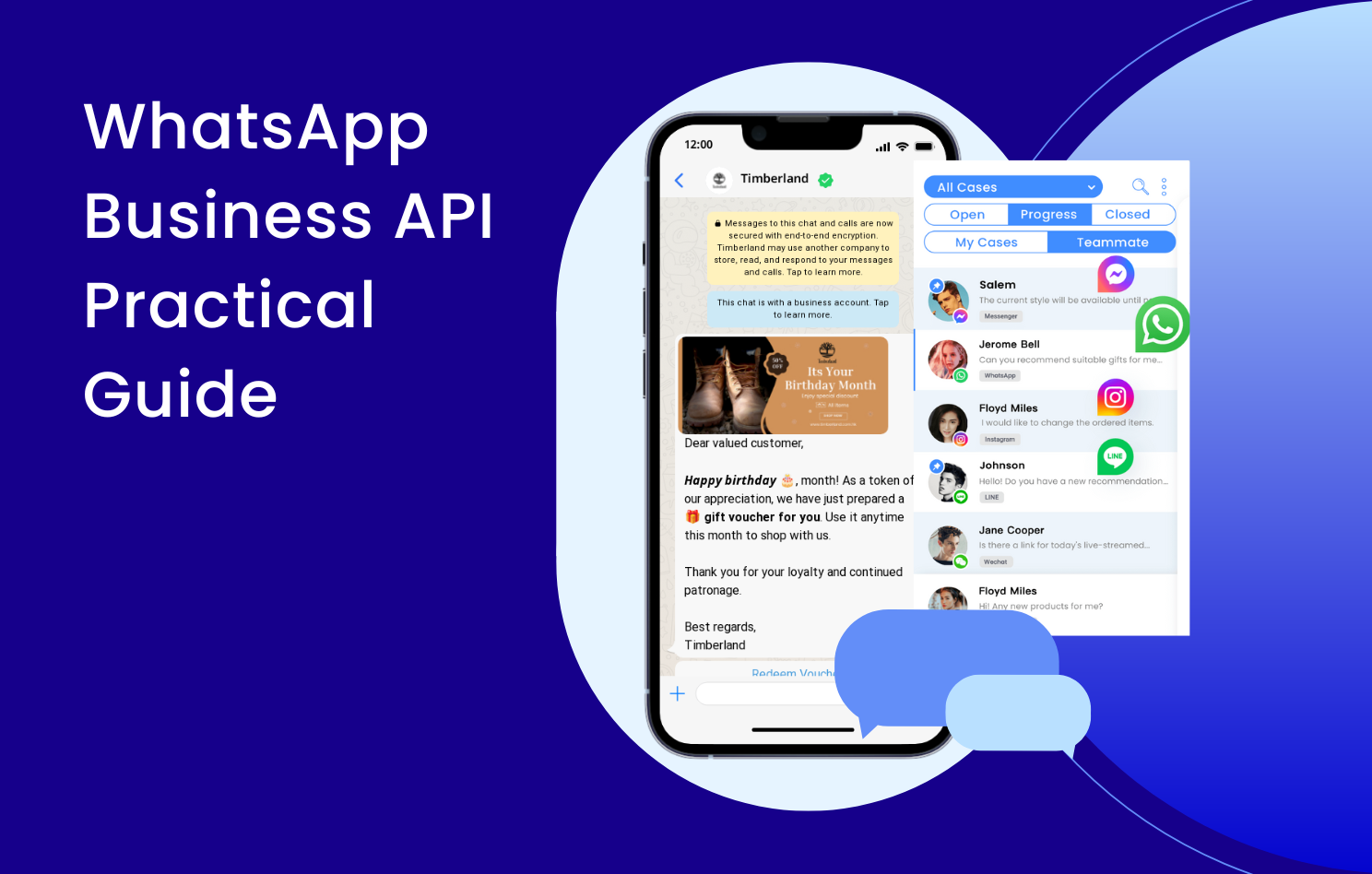
In today’s digital age, customers expect a smooth and personalized experience across all touchpoints with a business. Whether they’re browsing a website, using a mobile app, or interacting with customer service through chatbot or social media, they crave consistency and ease. This goes beyond just having the same channels available; it’s about creating an omnichannel experience that allows customers to engage seamlessly and effortlessly.
For example, a scenario where a customer is being targeted with ads based on her previous browsing history and she requires more information about the product, she can simply send a message to the official WhatsApp for the agent to jump in and provide an answer, providing real-time guidance and resolving the issue swiftly. This level of seamless integration across channels strengthens customer relationships and builds brand loyalty.
Keeping up with the “PACE”
PACE stands for Personalization, Automation, Context, and Education. It’s a framework for building a seamless customer experience strategy that fosters a smooth, personalized journey for every customer, regardless of where they are in their buying process. By embracing PACE, businesses can not only answer customer needs efficiently but also empower them to become more self-sufficient and confident shoppers.
- Personalization: Make the experience about the customer. Go beyond simply recognizing their name by demonstrating an understanding of their past interactions and what they might need at that moment.
- Automation: Utilize a unified dashboard to trigger chatbots based on keywords, issues, or click patterns. Simple tasks and information retrieval can be automated, freeing live agents for more complex interactions.
- Context: Live agents should be able to join a conversation and understand the customer’s situation through a unified dashboard, eliminating the need to repeat information.
- Education: Empower customers to become self-sufficient. Instead of simply completing a transaction for them, guide them through the process so they can confidently handle similar situations in the future.
No matter how you design/architect a customer’s experience, online or offline, it is imperative for you to think about how switching between different tools will affect the customer’s overall experience.
The Problem: Point Solutions Don’t Deliver
Businesses often implement features like chatbots under the belief they’ve achieved impeccable customer experience. While these tools can handle simple, single-channel interactions, they usually fall short when customers need to switch channels or agents. Data and context aren’t shared. Additionally, separate systems for different channels make it difficult to track the customer journey and identify areas for improvement. That is why unifying everything under one roof is the best way to go since integration between apps and platforms can be a hustle for your engineering team.
Imagine a scenario where a customer sees a promotional ad and makes a call about the product. However, they’re directed to a different store with incorrect information. This inconsistency creates confusion and undermines trust.

Similarly when a customer seeking a refund might be passed from one department to another, forced to repeat their case each time. This lack of continuity creates a negative experience.
Identifying the Gaps in Your CX Strategy
To bridge the gap between fragmented point solutions, evaluate your CX strategy by looking for inconsistencies across touchpoints:
- Messaging: Is your brand voice consistent across channels (website, app, social media, email)? Does the information you provide differ depending on how a customer contacts you?
- Data Sharing: Does customer information flow seamlessly between channels? Do customers need to repeat information when switching from social media to chatbot, or from web chat to official WhatsApp?
- Experience: Is the overall customer experience (tone, helpfulness, efficiency) similar across channels?
Analyze customer feedback:
- Direct Feedback: Look for complaints in surveys, reviews, and social media about difficulty navigating different channels or getting help.
- Indirect Feedback: High bounce rates on your website, abandoned carts, or long hold times on the phone can all indicate frustration with the customer journey.
Track customer journey data:
- Identify drop-off points: See where customers are abandoning the process, whether it’s during checkout on the website or after waiting on hold on the phone.
- Monitor channel switching: Track how customers move between different touchpoints (website to phone, app to store) and see if these transitions are smooth.
Use customer journey mapping:
- Visually map out all the steps a customer takes to interact with your business, from initial awareness to purchase and after-sales service.
- Identify potential gaps or inconsistencies in the experience at each touchpoint.
By looking for these signs, you can identify areas where your customer experience is fragmented and start to make improvements to create a more cohesive and positive journey for your customers.
Omnichat Helps Breaking Down Silos for a Seamless Journey

Channel Integration
Move beyond the limitations of point solutions and embrace a truly integrated omnichannel approach
Omnichat empowers you to connect all your customer touchpoints seamlessly, from your website and promotional advertisements (encompassing ATL, BTL, and TTL strategies) to customer service, sales, and marketing.
This ensures a smooth and effortless transition for customers as they interact with your brand across different channels.
Customer Journey Mapping
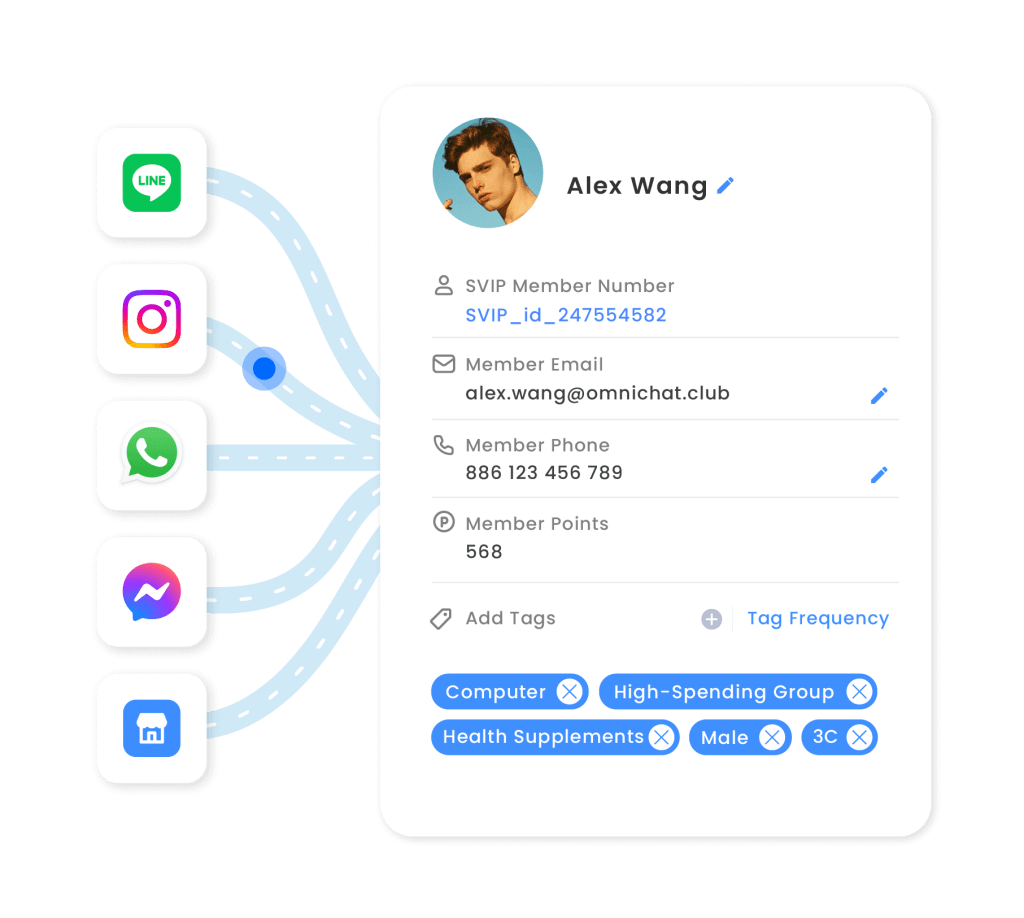
Think of customer journey mapping as creating a detailed roadmap of your customer’s interaction with your business. This involves tagging out every touchpoint, from initial awareness to purchase and after-sales service. With Omnichat’s Social Customer Data Platform (SCDP) solution, you can create a central hub for all customer data and interactions.
This allows a more robust view, including past purchases, website visits, and support interactions. This eliminates the need for customers to repeat information when switching between channels, such as from social media to chatbot. Resulting in significant customer satisfaction improvements.
Reporting & Analytics
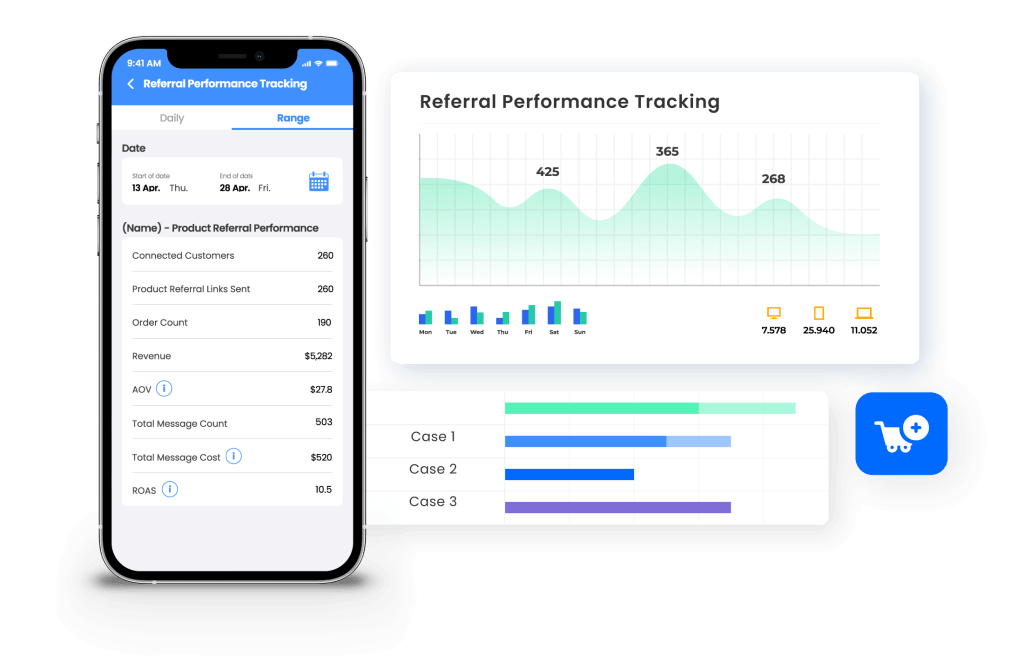
Implementing a unified reporting system allows you to analyze customer interactions across all channels. This data can reveal valuable insights into customer behavior. Identify patterns in your data to pinpoint pain points in the customer journey. For example, a high bounce rate on a specific product page might indicate a lack of clear information.
Finally, track key metrics like customer satisfaction scores and resolution times to measure the success of your efforts. With a unified dashboard and OMO tracking tools, you can gain a holistic view of your customer experience and identify opportunities for continuous improvement.
Don’t let fragmented touchpoints hold you back. Take the first step towards a unified CX strategy. Contact Omnichat today for a free consultation and see how we can help you connect your customer touchpoints and deliver an exceptional omnichannel experience.
Book a Consultation