In today’s fast-paced digital world, businesses must keep up and be where their customers are – and that’s increasingly on messaging apps. Like static websites and clunky forms, old-school marketing no longer cuts it. Chat commerce is the new game in town, changing how brands connect, engage, and sell to customers.
This guide will take you deep into the world of chat commerce, giving you actionable insights and strategies that you can use to step up your marketing game and stay ahead of the curve. We’ll explore the perks of chat commerce, talk about the different platforms and tools available, and give you practical tips on creating effective chat commerce campaigns that get results. Whether you’re new to chat commerce or want to improve your current strategy, this guide will give you the knowledge and tools you need to succeed in the fast-paced world of digital marketing.
Why Chat Commerce is Non-Negotiable in 2025
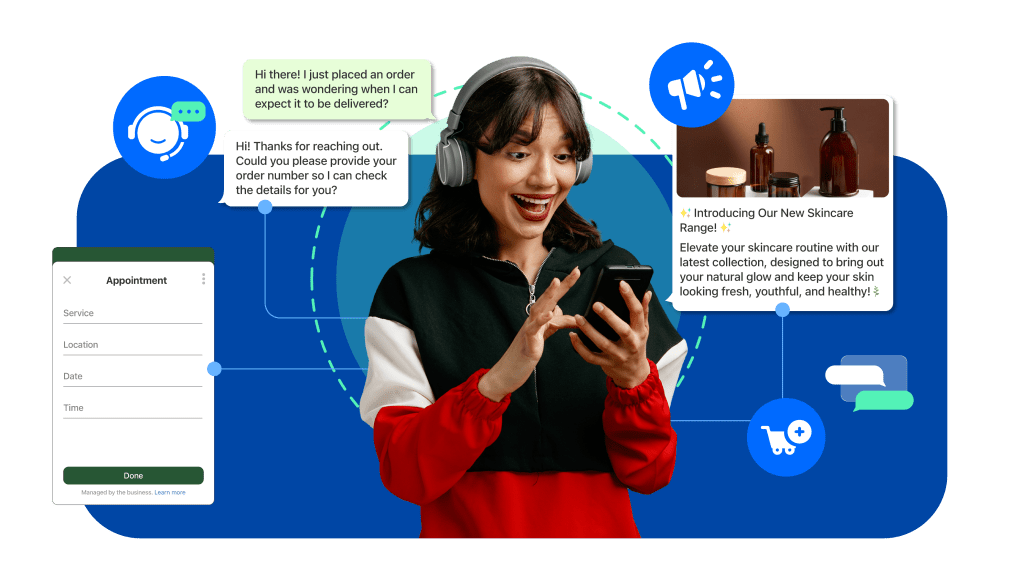
Today’s consumer is all about instant gratification. They crave speed, personalisation, and convenience. Chat commerce delivers on all fronts, offering real-time support, tailored recommendations, and a frictionless path to purchase, all within the familiar environment of their favourite messaging apps.
However, do not just take our word for it. The numbers speak for themselves:
- Explosive Growth: The global chat commerce market is poised to hit a staggering $290 billion by 2027, with a compound annual growth rate (CAGR) of 25% (Marketing Magazine, 2022)
- Retention Powerhouse: 52% of consumers are more likely to make repeat purchases if the company offers support via live chat (Kayako, 2024)
What is fueling this chat commerce revolution?
- Mobile-First World: With over 70% of e-commerce traffic originating from mobile devices (Outerbox Design, 2025), chat commerce seamlessly integrates into the consumer’s mobile-centric lifestyle.
- AI-Powered Personalization: Machine learning algorithms analyse customer data to deliver hyper-personalized product recommendations and create truly conversational experiences (Sprinklr, 2024).
- Always-On Availability: Intelligent chatbots ensure customers receive support and answers to their queries 24/7, enhancing satisfaction and building trust (Netguru, 2024).
Chat Commerce in Action: Transforming Industries
Chat commerce is not a one-size-fits-all solution. It is a versatile tool that can be tailored to meet the unique needs of diverse industries. Let us explore some compelling use cases:
1. Retail & E-Commerce
Imagine a customer browsing your online store. With chat commerce, you can proactively engage them with personalised product recommendations, guide them through checkout, and offer instant post-purchase support. No more abandoned carts or frustrated customers!
- Stat Attack: Chatbots and messaging tools are valuable for customer service due to their speed compared to phone or email support. 71% of customers expect brands to provide customer support via messaging channels, making it a key trend even in 2024 itself Messaging channels have become a crucial aspect of customer service, with 71% of customers expecting brands to offer support through these platforms. This trend is driven by the speed and efficiency of chatbots and messaging tools compared to traditional phone or email support, making them a valuable asset for businesses (HubSpot, 2024).

Example: A fashion retailer could leverage WhatsApp Business to create a personalised customer shopping experience. For example, customers could submit photos of their current wardrobe or items they’re considering purchasing, and a stylist from the company could offer tailored recommendations via text, voice message, or video call.
The retailer could also use WhatsApp to provide exclusive deals and promotions to their customers. This could include flash sales, early access to new arrivals, or personalised discount codes. Additionally, the retailer could create a VIP program for their most loyal customers, offering them free shipping, private styling sessions, or invitations to exclusive events.
2. Automotive
Chat commerce is streamlining the car-buying journey, from scheduling test drives to answering technical questions and even pre-qualifying customers for financing.
- Stat Attack: Modern chatbots, powered by AI, can handle almost 70% of customer conversations from beginning to end, including complex and personalized tasks. This is a significant advancement, as many still believe chatbots are only capable of basic greetings (Connell, 2025)

Example: A car dealership chatbot can revolutionise the way customers interact with dealerships and streamline various aspects of the car buying and ownership journey with chatbot.
- Providing Vehicle Information: Customers can ask the chatbot for detailed specifications, features, pricing, and comparisons of different models, enabling them to make informed decisions.
- Scheduling Maintenance and Repairs: The chatbot can help customers book service appointments, send reminders for upcoming maintenance, and provide information about service packages and costs.
- Booking Test Drives: Customers can use the chatbot to schedule test drives at their convenience, selecting the vehicle, date, and time that best suits them.
- Providing Customer Support: The chatbot can answer frequently asked questions, provide troubleshooting assistance, and direct customers to the appropriate resources or personnel.
- Generating Leads: By engaging with website visitors and capturing their contact information, the chatbot can generate leads for the sales team to follow up on.
- Giving Personalized Recommendations: The chatbot can suggest relevant vehicles and promotions based on customer preferences and browsing behaviour.
- Providing Post-Purchase Support: The chatbot can assist customers with warranty claims, service inquiries, and other post-purchase needs.
Overall, a car dealership chatbot can significantly enhance the customer experience by providing convenient access to information and services, 24/7 availability, and personalised interactions. It can also optimise dealership operations by automating routine tasks, improving lead generation, and streamlining communication. Furthermore, it can increase business growth by boosting customer satisfaction, driving sales, and improving efficiency.
3. Property
Real estate agents and property developers can leverage chat commerce to respond instantly to inquiries, share virtual tours, and schedule property viewings. Automated follow-ups nurture leads and ensure no opportunity slips through the cracks.
- Stat Attack: Research has revealed a strong correlation between positive customer experiences and increased consumer spending. A significant majority of consumers, specifically 86%, have indicated a willingness to pay a premium for products or services that are accompanied by a great customer experience (Stattin, 2024)
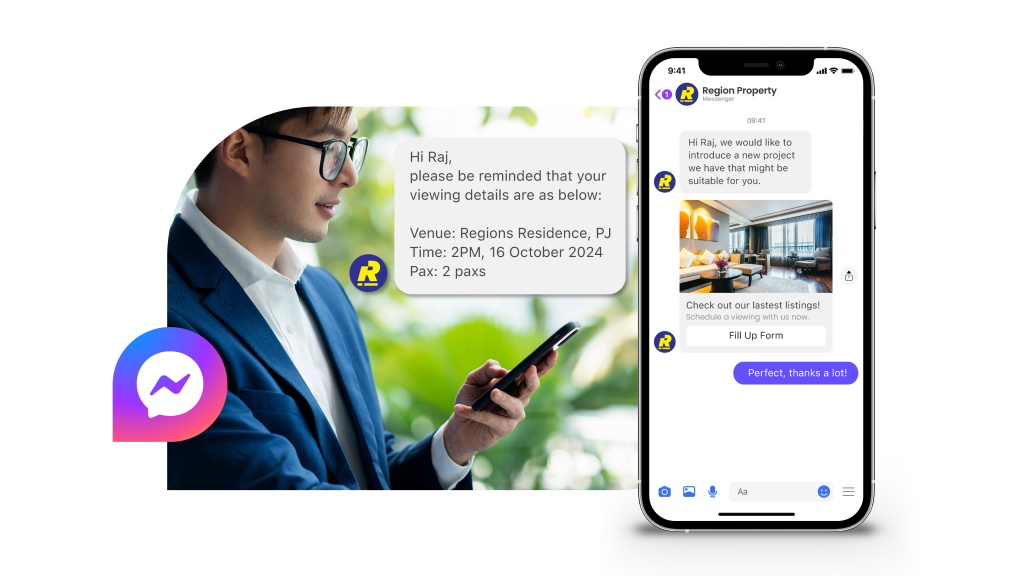
Example:
Let’s delve deeper into how a property management company can leverage messaging apps such as WhatsApp, LINE, and WeChat to enhance their tenant experience and streamline their operations:
- Personalise property recommendations using a chatbot to gather potential tenant preferences and provide tailored property suggestions, including images, videos, and virtual tours.
- Answer tenant queries quickly and conveniently using chatbots for common questions and human agents for complex inquiries.
- Manage maintenance requests efficiently by enabling tenants to submit requests with photos or videos via Messenger and using chatbots to acknowledge, assign, and provide status updates.
- Facilitate lease renewals and agreements by initiating conversations, providing information, and enabling electronic document signing.
- Build community by sharing news, organising events, and fostering a sense of belonging among tenants.
- Collect tenant feedback to improve services.
The convenience and efficiency of messaging apps can attract and retain tenants, giving property management companies a competitive edge in the market. By providing a modern and responsive communication experience, companies can differentiate themselves and position their properties as tenant-centric and technologically advanced.
Mastering the Art of Chat Commerce Marketing
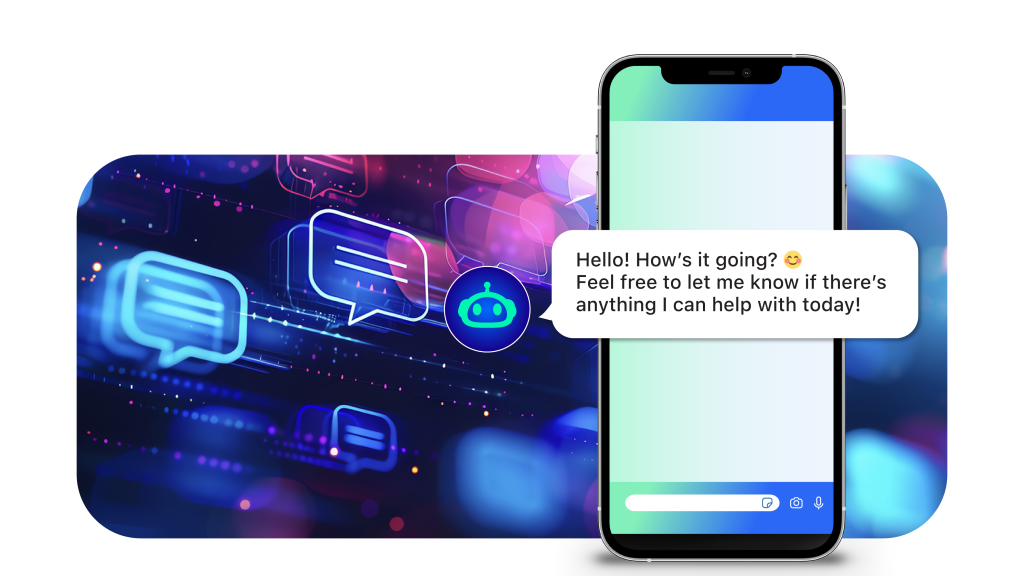
Ready to unlock the power of chat commerce? Here are some best practices to guide your strategy:
1. Personalization at Scale:

The key to success in chat commerce marketing lies in harnessing the power of AI-driven personalisation. By utilising advanced data analytics, businesses can gain a deep understanding of their customers’ preferences, allowing them to tailor every interaction precisely. This personalised approach can encompass a wide range of elements, including:
- Personalised messages: Crafting messages that resonate with each customer’s interests and needs can enhance engagement and foster a sense of connection.
- Product recommendations: Utilizing data-driven insights to suggest products that align with a customer’s browsing history, purchase behaviour, and expressed preferences can increase the likelihood of conversion.
- Tailored offers and promotions: Providing customers with exclusive discounts or promotions based on their preferences and purchase history can incentivise them to take action and drive sales.
By implementing these and other personalised strategies, businesses can create a more engaging and relevant customer experience, leading to increased conversions, improved customer loyalty, and sustained business growth.
2. Seamless Omnichannel Experience:
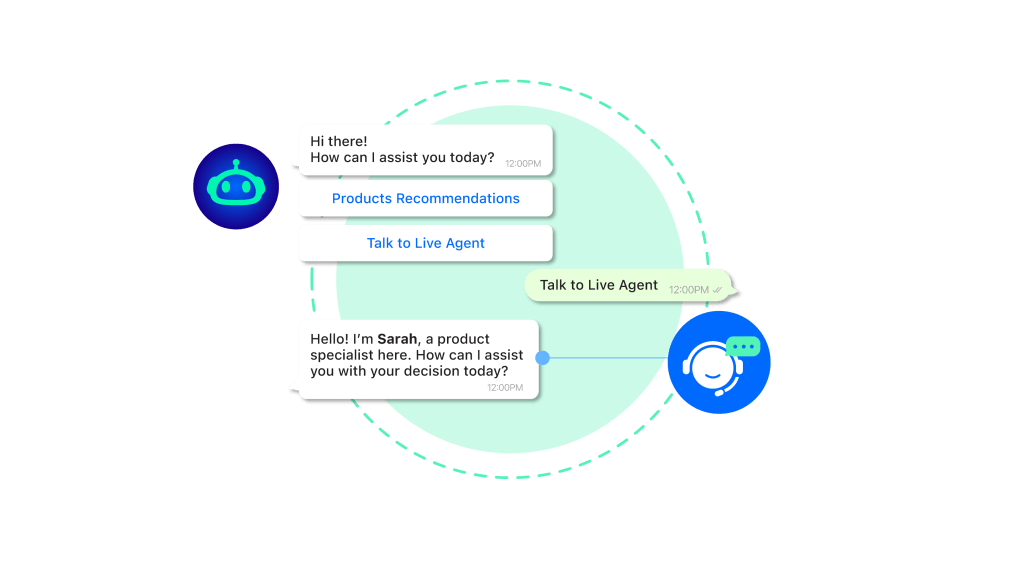
To ensure a seamless customer experience and maximise conversions, it’s essential to establish a smooth and efficient transition between your various chat platforms and other sales channels. This means that customers should be able to move from interacting with a chatbot to engaging with a live agent without encountering any disruptions or obstacles.
Key aspects of this seamless transition include:
- Unified Customer Profile: Your chat platforms and other sales channels should be integrated with a centralised customer relationship management (CRM) system. This allows for creating a unified customer profile accessible to both chatbots and live agents, providing a complete picture of the customer’s history and preferences.
- Feedback and Optimization: We regularly collect feedback from customers and agents about the transfer process and use it to identify areas for improvement.
By implementing these strategies, you can create a cohesive and customer-centric experience that spans all your sales channels, increasing satisfaction, loyalty, and conversions.
3. User Experience (UX) is King:
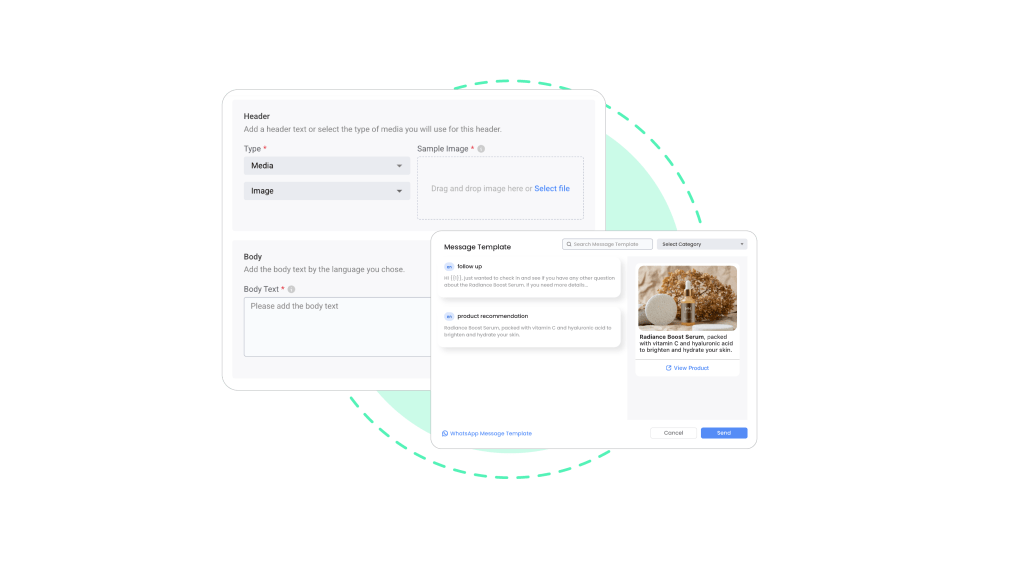
Chat commerce platforms can incorporate various features to streamline interactions further and enhance the overall user experience. Intuitive interfaces that are easy to navigate and understand can minimise confusion and frustration. Quick-reply buttons provide users with instant response options, eliminating the need for typing and saving time.
Visually appealing elements such as carousels showcasing multiple product options and rich media like images and videos can make the experience more engaging and interactive. Additionally, personalised recommendations based on user preferences and past behaviour can increase the relevance of the interaction and improve conversion rates. By implementing these features, businesses can create a chat commerce experience that is both enjoyable and effortless, leading to increased customer satisfaction and loyalty.
4. Security First:
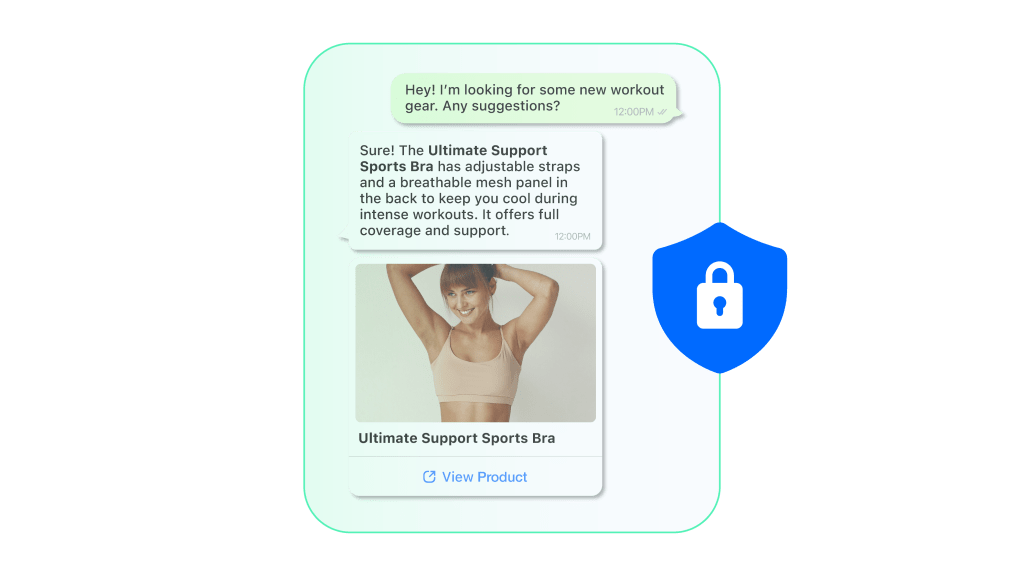
In the current digital landscape, where data privacy is paramount for users, businesses must prioritise implementing robust security measures within their chat platforms. This includes adhering to stringent data protection regulations such as the General Data Protection Regulation (GDPR) and ensuring that all payment gateways integrated into the platform are secure and encrypted. By safeguarding user data and maintaining a safe environment, businesses can foster trust and demonstrate their commitment to protecting customer privacy.
Furthermore, businesses should adopt a proactive approach to data security by implementing additional measures such as multi-factor authentication, regular security audits, and employee training programs focused on data protection best practices. By taking a comprehensive approach to security, businesses can mitigate the risk of data breaches and ensure that their chat platforms remain a safe and trusted space for users to interact and transact.
5. Analytics are Your Friend:
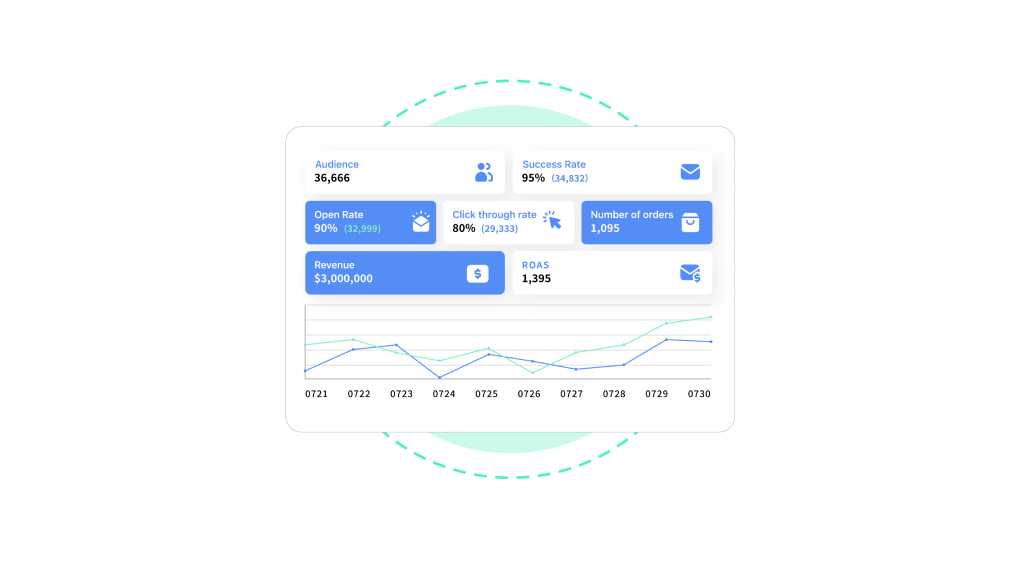
Establishing a robust system for tracking and measuring key performance indicators (KPIs) is essential to ensuring the success and effectiveness of your chat commerce strategy. These KPIs offer valuable insights into the performance of your chat commerce initiatives and provide actionable data to optimise your approach.
Using KPI Data to Optimize Chat Commerce Performance
The data gathered from KPI tracking can be used to optimise your chat commerce performance in various ways:
- Identify Areas for Improvement: By analysing KPI data, you can identify areas where your chat commerce strategy is underperforming and take corrective action.
- Personalise the Chat Experience: KPI data can be used to personalise the chat experience for individual customers based on their behaviour and preferences.
- Optimise Chat Agent Performance: You can identify training opportunities and provide targeted coaching to improve agent effectiveness by tracking agent performance metrics.
- Test and Experiment: KPI data can be used to test and experiment with different chat commerce strategies and tactics to identify what works best for your business.
You can ensure that your chat commerce strategy delivers exceptional results and drives business growth by continuously monitoring key performance indicators and using the insights gained to optimise your approach.
Book a Consultation