In today’s digital world, customers are bombarded with marketing messages in all social media platforms, content after content telling why their products are better and why you should consume their products. To stand out from the crowd and truly connect with your audience, a one-size-fits-all approach simply won’t cut it. This is where segmentation comes in – a tried-and-true strategy that allows you to group customers with similar characteristics and tailor your marketing efforts accordingly.
But what if there was a way to go beyond static groups and deliver experiences so personalized they feel like a one-on-one conversation? Enter the realm of personalization. This powerful approach leverages customer data to craft unique marketing messages and interactions that resonate deeply with each individual.
Segmentation vs. Personalization: Understanding the Difference
Segmentation is a foundational marketing strategy. It involves dividing your customer base into distinct groups based on shared characteristics like demographics, behaviors, interests, or buying habits. By understanding these segments, you can create targeted campaigns that address their specific needs. For example, you might send a special offer for athletic wear to customers who frequently browse your sportswear section.
Personalization takes this concept a step further. It uses data from past interactions, website behavior, and customer profiles to create truly individualized experiences. Imagine sending the same customer browsing sportswear not just an offer, but a personalized product recommendation based on their previous purchases or browsing history. Perhaps they looked at a specific pair of running shoes; you could send them a discount on that exact item or similar styles.
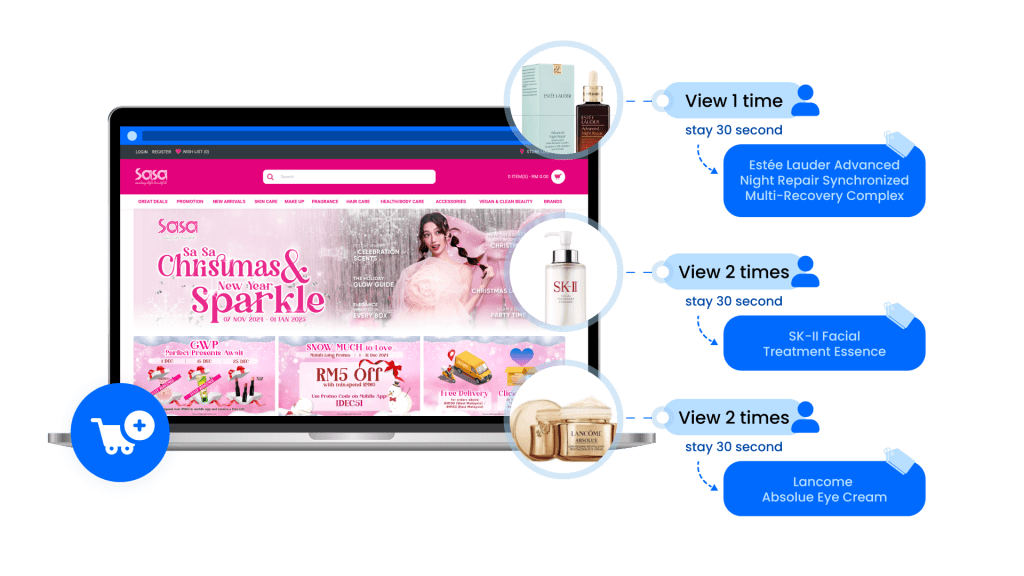
For example, our client SaSa steps up their personalization strategy by merging their online and offline presence. By doing this it helps the company to track the behavior of their customer better and this could help them in future channel and campaign planning.
Why Personalization Matters
Customer segmentation is a valuable starting point, but it has limitations. Customer segments often overlap because individuals often share characteristics or behaviors that fit into more than one segment. For example, a customer might be interested in both fitness and travel, making them a member of both the “active lifestyle” and “travel enthusiast” segments.
Effective marketing segmentation strategies recognize these overlaps by creating flexible definitions that reflect consumer behavior and preferences. However, even with sophisticated segmentation, it can be challenging to truly understand the unique nuances of each individual customer within a segment.
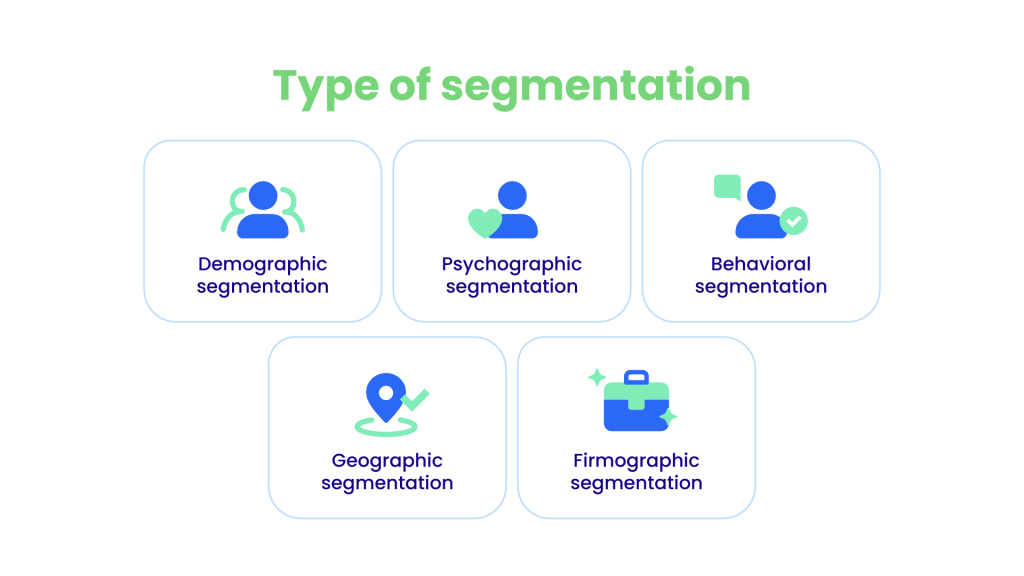
Demographic Segmentation:
This classic approach divides the market based on observable and measurable characteristics of the population. These include:
- Age: Targeting specific age groups allows for tailored messaging and product offerings. For example, a skincare brand might focus its marketing on anti-aging products for older demographics and acne treatments for younger ones.
- Gender: While gender roles are evolving, there are still distinct product preferences and needs between men and women.
- Income: Income level significantly influences purchasing power and product choices. Luxury brands often target high-income individuals, while budget-friendly options appeal to those with lower incomes.
- Education: Education level can impact consumer knowledge, preferences, and spending habits.
- Occupation: Understanding a customer’s profession can provide insights into their lifestyle, interests, and needs.
- Religion: Religious beliefs can influence dietary choices, clothing preferences, and even entertainment consumption.
Geographic Segmentation:
This method divides the market based on geographical location, considering factors such as:
- Region: Marketing campaigns can be localized to specific regions, considering cultural differences, local preferences, and even climate variations.
- City: Urban, suburban, and rural areas have distinct consumer behaviors, needs, and access to products.
- Climate: Climate influences consumer demand for certain products. For example, demand for air conditioners is higher in hot climates, while demand for winter clothing is higher in colder regions.
Psychographic Segmentation:
This approach delves into the inner world of consumers, focusing on their:
- Lifestyle: This encompasses their activities, interests, and opinions (AIO). Understanding their lifestyle helps to identify their values, aspirations, and how they spend their free time.
- Interests: Knowing a customer’s interests allows for targeted marketing around hobbies, passions, and entertainment preferences.
- Attitudes and Values: Understanding consumer values and beliefs helps to create marketing messages that resonate with their worldview.
- Personality: While subjective, understanding personality traits can provide insights into consumer behavior and preferences.
Behavioral Segmentation:
This method focuses on how customers interact with products and brands, considering:
- Usage Patterns: This includes how often customers use a product, when they use it, and for what purpose.
- Brand Loyalty: Identifying loyal customers allows for targeted retention programs and personalized offers.
- Benefits Sought: Understanding the specific benefits customers seek from a product or service helps to tailor marketing messages and product offerings.
- Spending Habits: Analyzing spending patterns helps to identify high-value customers and predict future purchases.
- Browsing History: Tracking website browsing behavior provides insights into customer interests and purchase intent.
- Purchase History: Analyzing past purchases helps to identify product preferences and make personalized recommendations.
- Product Feedback: Analyzing customer feedback provides valuable insights into product satisfaction, areas for improvement, and unmet needs.
Firmographic Segmentation:
This method is specifically used for business-to-business (B2B) marketing, focusing on characteristics of companies, such as:
- Company Size: This includes factors like number of employees and annual revenue, influencing the type of products and services they need.
- Company Status: This includes factors like industry, company type (e.g., private, public), and company location.
- Number of Employees: This helps to determine the company’s size and potential budget for products and services.
- Revenue: This indicates the company’s financial health and purchasing power.
The Benefits
This is where personalization comes in. By going beyond broad segments and focusing on individual customer data, you can:
- Increased Engagement: Personalized experiences are inherently more engaging than generic messages. When customers feel like you understand their needs and preferences, they’re more likely to pay attention and interact with your brand.
- Improved Conversion Rates: By tailoring your message to the individual, you’re more likely to pique their interest and nudge them towards a purchase. Personalized product recommendations and targeted offers can significantly boost conversion rates.
- Enhanced Customer Loyalty: Personalization fosters genuine connections with customers. They feel valued and appreciated, leading to increased brand loyalty and customer lifetime value.
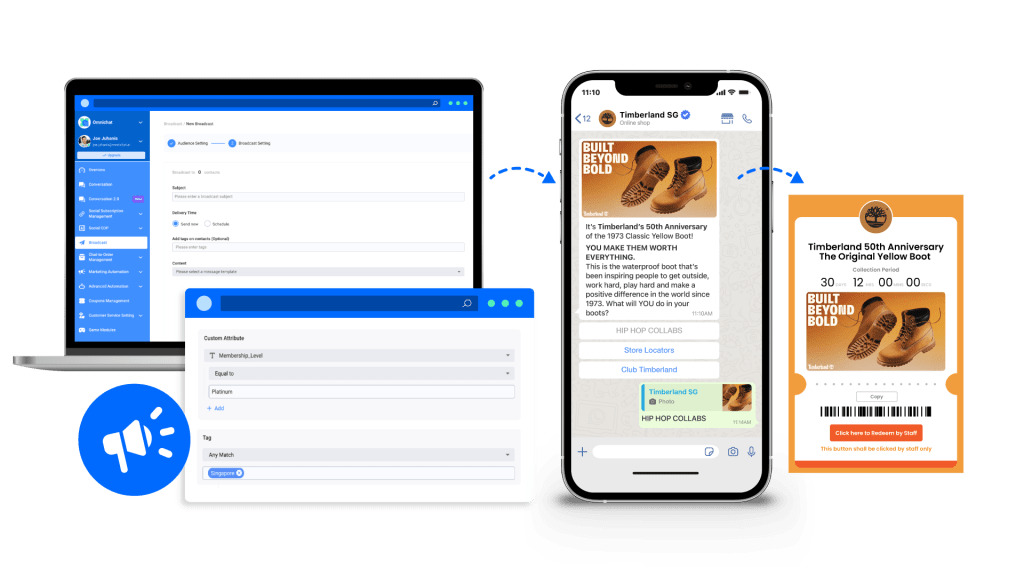
Due to Covid-19, many businesses have to pivot from their current strategy to be more agile. Similarly to one of our clients, Timberland launched omnichannel membership integration with OMO feature to better serve their customers and give personalized promotions based on their preferences and previous data.
Unlocking the Power of Personalization with Omnichat
Omnichat is your one-stop shop for taking your marketing efforts beyond segmentation and into the realm of true personalization. Our conversational commerce platform lets you leverage rich customer data to create personalized experiences across various channels:
- Personalized Chat Interactions: Engage with customers in real-time, answer their questions, and recommend relevant products based on their browsing history or past purchases.
- Automated Broadcast Campaigns: Send personalized messages with product recommendations, special offers, and birthday greetings tailored to individual preferences and past data.
- Re-engage User based on Behavior: Based on the customer actions and behavior on the website, we can also prompt them with personalized broadcast messages to prevent cart abandonment or to offer special promotion on products they have interest in.
- Lengthening Customer Lifetime Value: Identifying and segmenting your customer based on their purchase frequency can also be one of the strategies to increase CLVT and increase cart value. Giving them the right promotion at the right time can be a game changer for your business.
Conclusion
Segmentation is a valuable tool, but it’s just the first step. By embracing personalization, you unlock a new level of customer engagement and loyalty. With Omnichat, you have the power to turn raw data into personalized experiences that convert, delight, and keep your customers coming back for more. Ready to unleash the power of personalization? Get started with Omnichat today!
Book a Consultation