How AI-Powered WhatsApp Automation is Changing the Way Brands Communicate

How AI-Powered WhatsApp Automation is Changing the Way Brands Communicate

Brand communication strategists around the world have shifted their approach to doing business by involving customers in conversations. For years, businesses relied on passive, one-way methods like email blasts and static websites; moreover, the focus was always on products rather than value. However, consumer behaviours have changed with technology, due to the COVID-19 outbreak. According to McKinsey & Company, organisations fast-tracked the digitisation of customer interactions and internal operations by 3-4 years, while digital-first products and experiences advanced by nearly 7 years.
Post-COVID consumers are more comfortable engaging in online transactions and connecting with businesses outside operating hours, but still expect instant, personalized, and proactive service on their preferred platform. Many businesses can see shifts in platform preferences toward messaging apps.

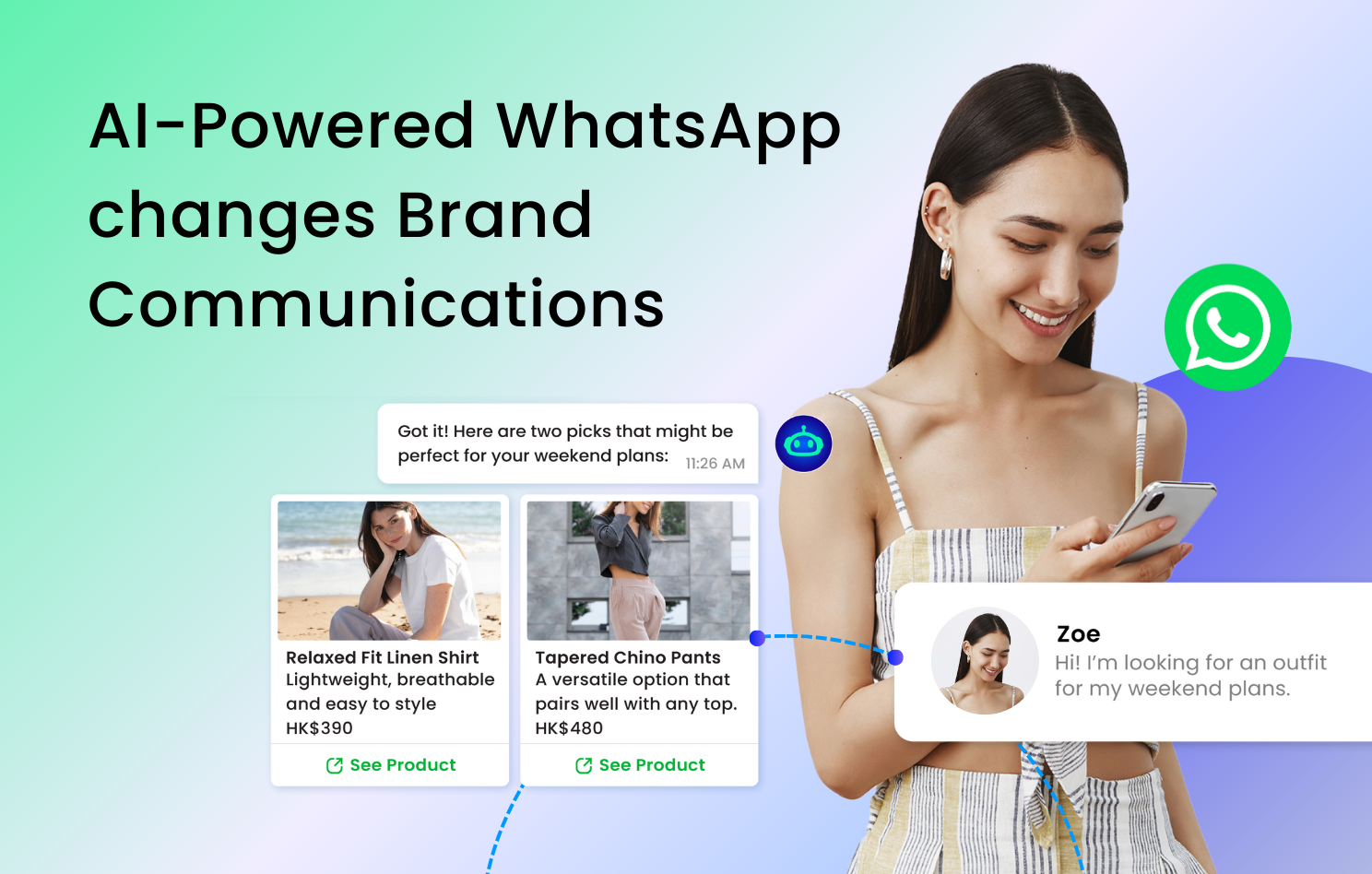
The introduction of AI accelerates this change, turning communication from a mere broadcast into a dynamic, two-way conversation through tools like AI-Powered WhatsApp automation.

This article explores how modern brands are leveraging intelligent AI marketing tools to automate customer journeys, boost retention, and achieve remarkable conversion rates through the world’s most popular messaging app.

Brands are Adopting AI Marketing Tools Now

The marketplace has become too crowded for generic communication. Brands that win are those that treat every customer like a VIP, but doing so manually is impossible at scale. This gap is precisely where intelligent automation steps in.

Moving Beyond Traditional Channels with Digital Marketing Tools

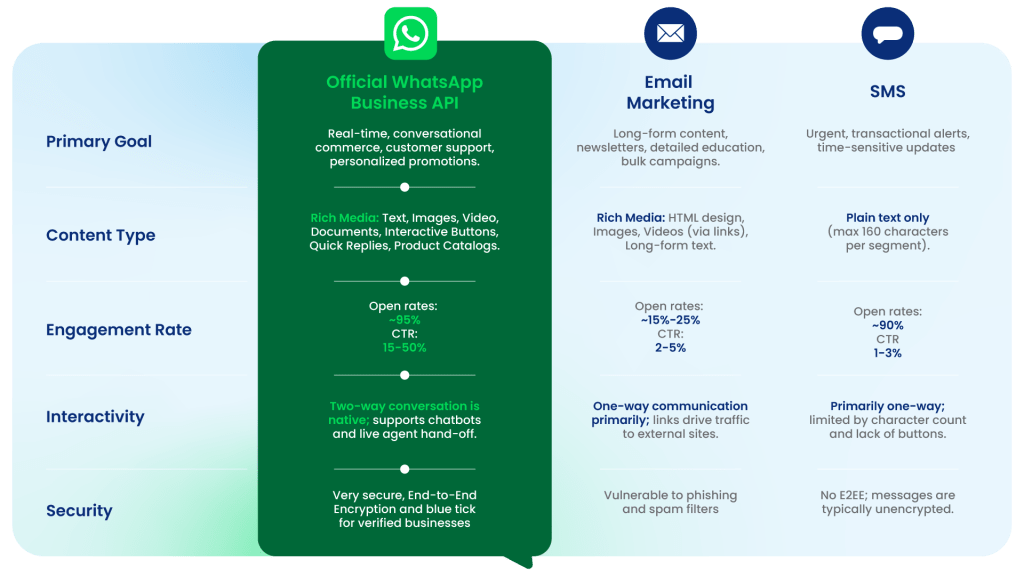
Traditional digital marketing tools like email and SMS are effective for large-scale broadcasts but often fail to create the intimate, responsive experience that customers now demand. Messaging apps like WhatsApp offer rich media, instant feedback, and a feeling of direct personal connection. The challenge was scaling this personal touch—a challenge that AI has solved. By adopting intelligent solutions, brands can now deliver personalized interactions without sacrificing efficiency.

How AI-Powered WhatsApp Automation is Changing the Way Brands Communicate

Leveraging the WhatsApp Business API for Scalable Customer Journeys

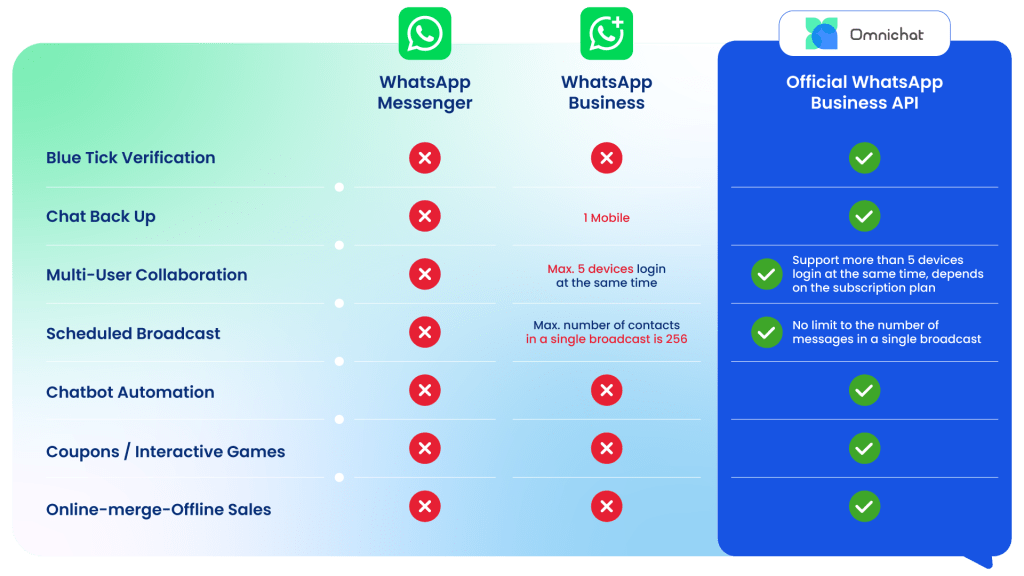
The foundation of this transformation is the WhatsApp Business API (now changed to WhatsApp Business Platform). Unlike the standard WhatsApp Business App, the API allows enterprises to integrate their systems (like CRM and CDP) directly with the messaging channel. Tools built on this platform, like Omni AI, enable:

  • Omnichannel Support: Handling conversations across WhatsApp, Messenger, Instagram, LINE, and more from a single platform.
  • Workflow Automation: Defining customer journeys that trigger messages based on behaviour, such as abandoned cart reminders or welcome sequences.
  • Deep Personalization: Using data from the Social CDP (like membership tier, recent purchase, and website visits) to deliver tailored experiences.
How AI-Powered WhatsApp Automation is Changing the Way Brands Communicate

Core Applications of WhatsApp Automation

The true power of WhatsApp automation is seen across the customer lifecycle, enabling brands to welcome, serve, sell, and retain customers with unprecedented efficiency.

24/7 Enquiry Handling: The Always-On Advantage

How AI-Powered WhatsApp Automation is Changing the Way Brands Communicate

Customer behavior post-COVID has not been the same, requiring customer service assistants around the clock. According to KPMG, 58% of consumers say being able to shop 24/7 is the number one reason they shop online. 

AI agents are designed to handle routine inquiries and FAQs instantly, 24/7. This not only frees human agents to focus on complex, high-value cases but also reduces overall operational costs, while the AI Customer Service Agent handles customer questions seamlessly. By delivering instant, consistent support, brands drastically reduce response times and boost customer satisfaction.

Personalizing the Journey: From Welcome to Clienteling

Clienteling is a retail strategy that focuses on building long-term, one-on-one relationships with customers by using their personal data and purchase history. Unlike standard customer service, which is reactive (waiting for a customer to ask a question), clienteling is proactive.

To bridge the gap between digital convenience and high-touch service, brands are increasingly deploying AI on WhatsApp to replicate “clienteling”—the personalized, relationship-based shopping experience traditionally reserved for physical luxury boutiques. By integrating AI agents with CRM data and real-time inventory systems, retailers like L’Occitane, SMCP, Luk Fook Jewelry, and SaSa can now offer “white-glove” service at scale. 

  • Welcoming them into the journey: An AI agent can greet a new lead, gather preferences, and instantly guide them to the most relevant products or services.
  • Product Recommendations: The Smart Shopping Agent actively analyzes customer needs and past interactions to deliver personalized product recommendations, even sending direct purchase links right in the chat for a frictionless buying journey. This makes the shopping experience feel guided and exclusive.

Maximizing Retention with Automated Loyalty and Rewards

How AI-Powered WhatsApp Automation is Changing the Way Brands Communicate

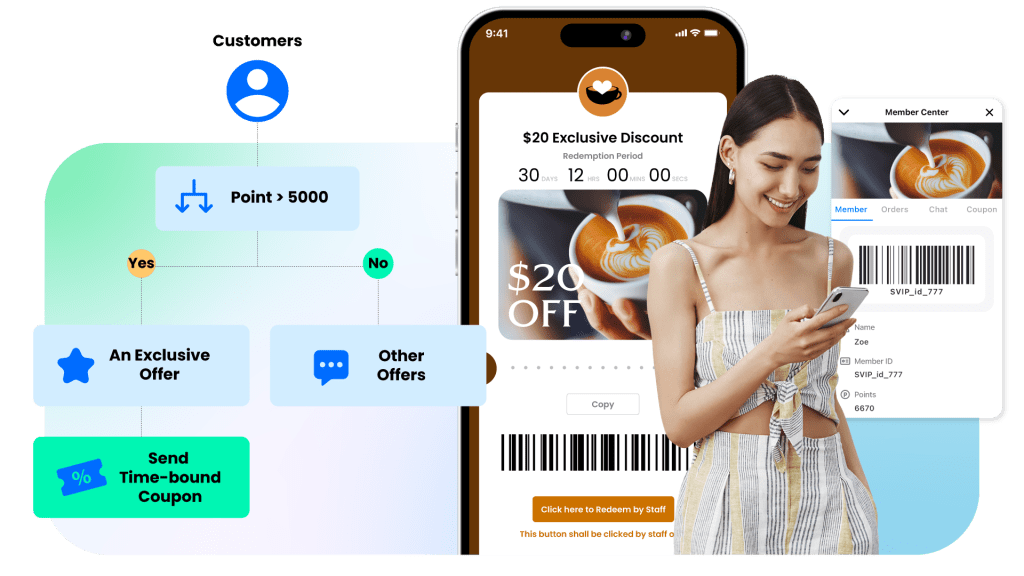
Retaining a customer is more cost-effective than acquiring a new one. AI-driven loyalty programs use marketing automation tools to ensure customers feel valued at all times. For example, our  Customer Loyalty Agent can automatically:

  • Track interactions across channels.
  • Deliver personalised experiences to VIPs.
  • Automate reward delivery, such as sending a special birthday discount or a coupon immediately after reaching a spending threshold.

This ensures timely, targeted appreciation that consistently boosts retention and brand loyalty.

Benefits of WhatsApp AI Marketing Tools in Communication

The adoption of these intelligent marketing tools provides more than just convenience; it delivers measurable business results.

Reducing Operational Cost with Marketing Automation Tools

One of the most immediate benefits is operational efficiency. By utilizing Marketing automation tools, businesses can automate repetitive tasks, such as answering common questions, sending order updates, and managing bulk broadcasts. This dramatically reduces the need for large 24/7 support teams and minimizes human error, allowing staff to be reallocated to strategy and complex problem-solving.

Boosting Customer Engagement and Brand Loyalty at Scale

The combination of personalization and speed is a potent formula for engagement. AI agents deliver tailored conversations and real-time support, helping brands build stronger connections. The result, as demonstrated by early adopters using these systems, includes significant boosts in conversion rates—in some cases, achieving a 7x increase in conversion rate by directing online visitors to salespeople via WhatsApp. This happens because the communication is relevant, timely, and delivered on a channel customers prefer.