
18 results found.
Losing customers before checkout is one of the biggest challenges in eCommerce. Every extra click, redirect, or delay increases the risk of drop-off. WhatsApp Shopify integration removes that friction by keeping conversations, support, and purchase intent within one familiar messaging environment. Integrating WhatsApp with your Shopify store can be done through third-party apps, official Meta tools, or custom code. The fastest setup is typically a Shopify App Store installation, while Meta’s o

Conversational commerce is transforming the retail landscape, and WhatsApp is leading the way. The WhatsApp Business App and WhatsApp Business Platform (API) serve different needs for retailers. The Business App is free and can be set up directly by the business, while the API requires working with an official WhatsApp Business Solution Provider. Why WhatsApp Marketing Matters for Retail WhatsApp has become an essential tool for retailers to connect directly with their customers. Whether you are
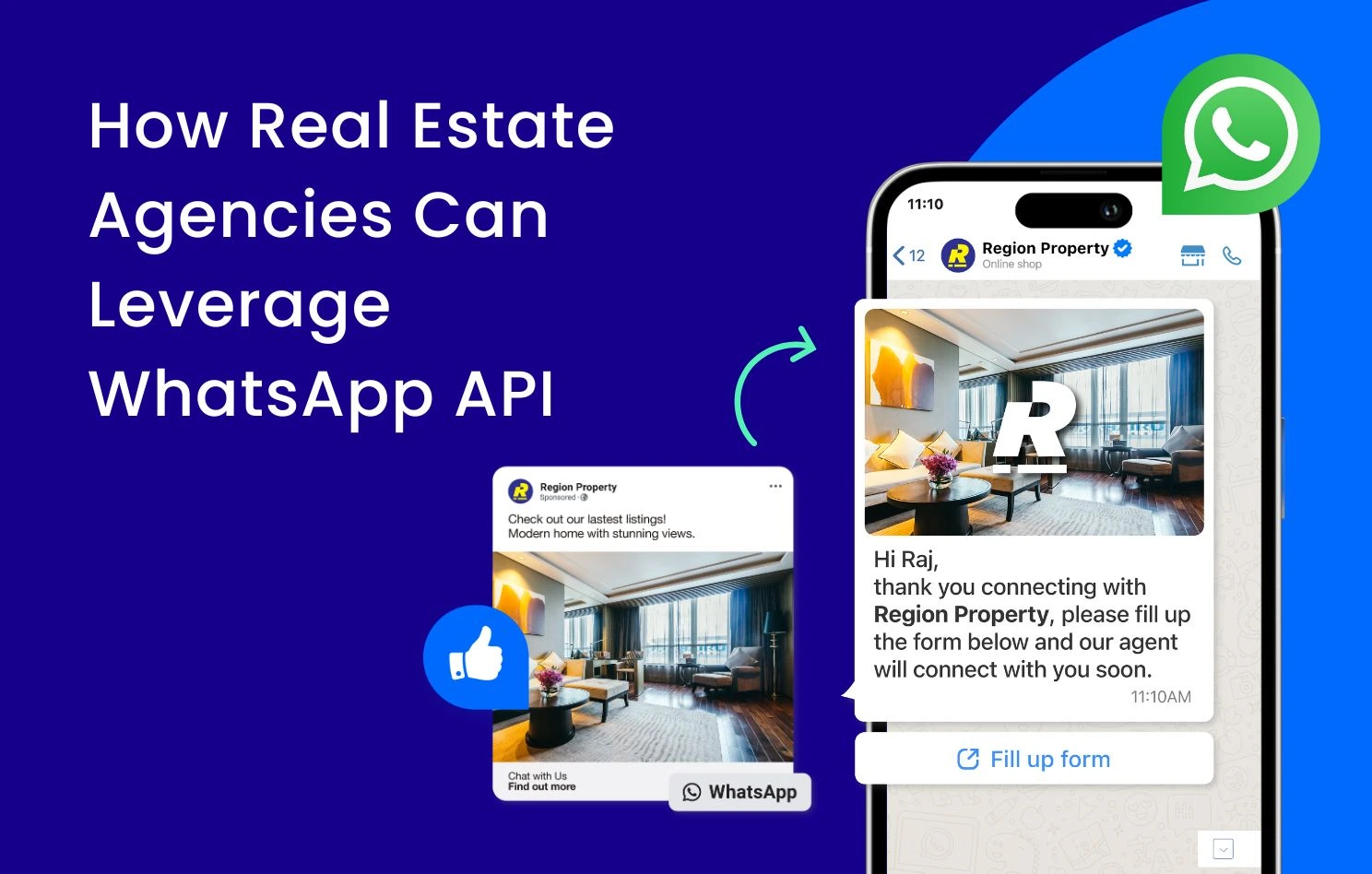
As Malaysia positions itself to join Singapore as a developed nation by 2025, the real estate industry is undergoing significant transformation. While marketing strategies have evolved from traditional brochures to digital platforms, the core of the buyer–seller relationship remains unchanged. Real estate transactions are major investments, often driven by personal connections and trust. Recognising this, the industry is increasingly turning to WhatsApp as a core communication channel. By inte

Did you know that repeat customers spend 67% more than new ones? That’s why more businesses are rethinking how they design customer loyalty experiences. In Part I of this series, we explored why modern loyalty programs must go beyond points and discounts to create real emotional connection and long-term brand value. In this second part, we focus on how WhatsApp loyalty programs and digital loyalty points can help businesses of any size drive repeat purchases through direct, personalised engage
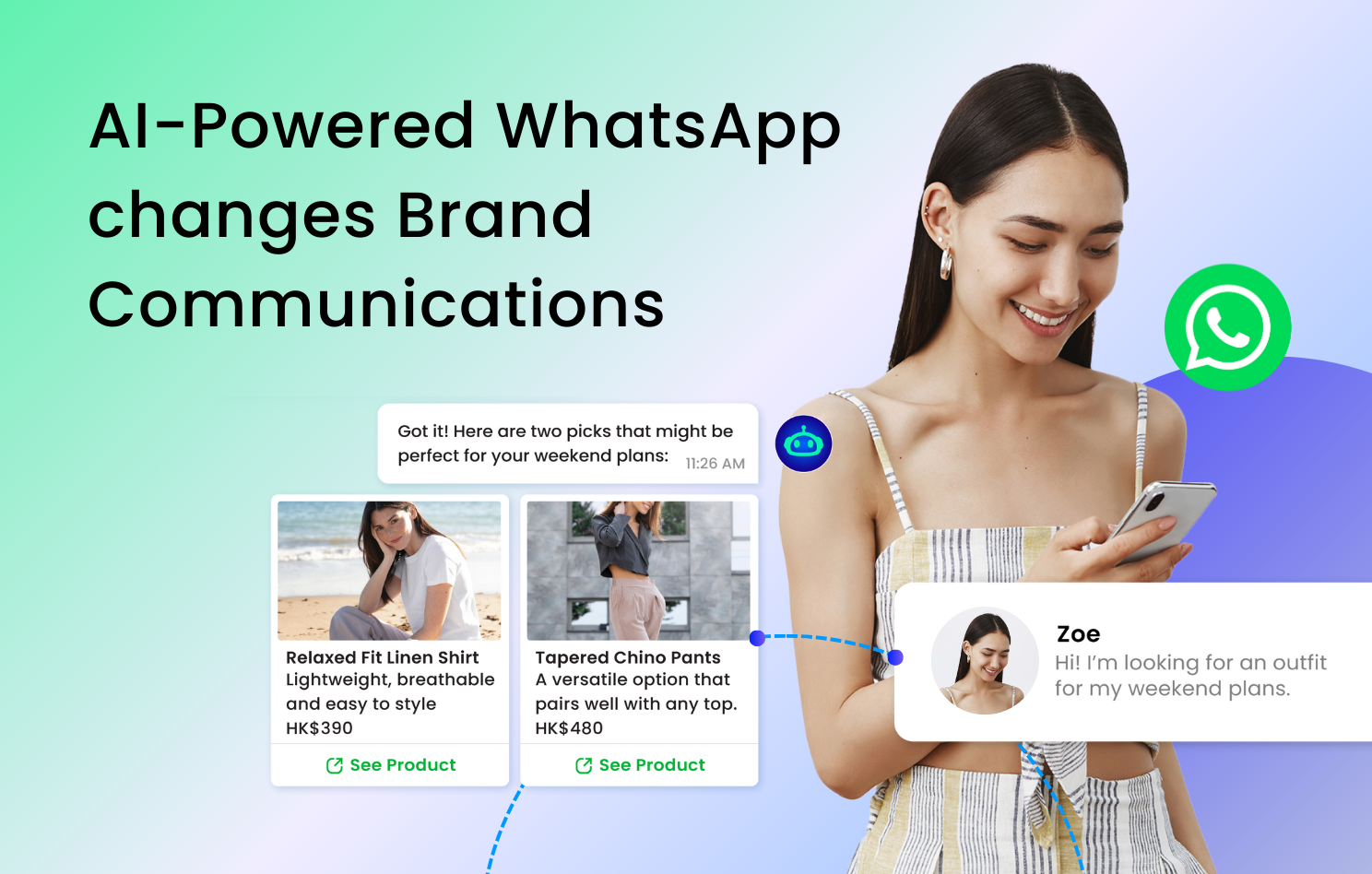
Brand communication strategists around the world have shifted their approach to doing business by involving customers in conversations. For years, businesses relied on passive, one-way methods like email blasts and static websites; moreover, the focus was always on products rather than value. However, consumer behaviours have changed with technology, due to the COVID-19 outbreak. According to McKinsey & Company, organisations fast-tracked the digitisation of customer interactions and interna

In the pursuit of exponential revenue growth, businesses often overlook one critical truth: the path to greater sales lies in motivating existing and near-term customers with timely, powerful incentives. Consider this: online coupon users already spend 24% more than regular shoppers. This isn’t just about giving discounts — it’s a proven way to increase Average Order Value (AOV).Furthermore, the urgency created by these incentives is immediate and quantifiable: 82% of consumers redeem digi

Ramadan, a holy month for Muslims, and Aidilfitri or Eid Fitr known as Hari raya in Malaysia and Singapore, the joyous celebration that follows, present unique opportunities and challenges for businesses. Consumer behavior shifts significantly during this period, with increased online activity and a focus on gifting and celebrations. To capitalize on this, businesses must adopt a robust omnichannel strategy, seamlessly integrating various channels to engage customers effectively and drive sales.
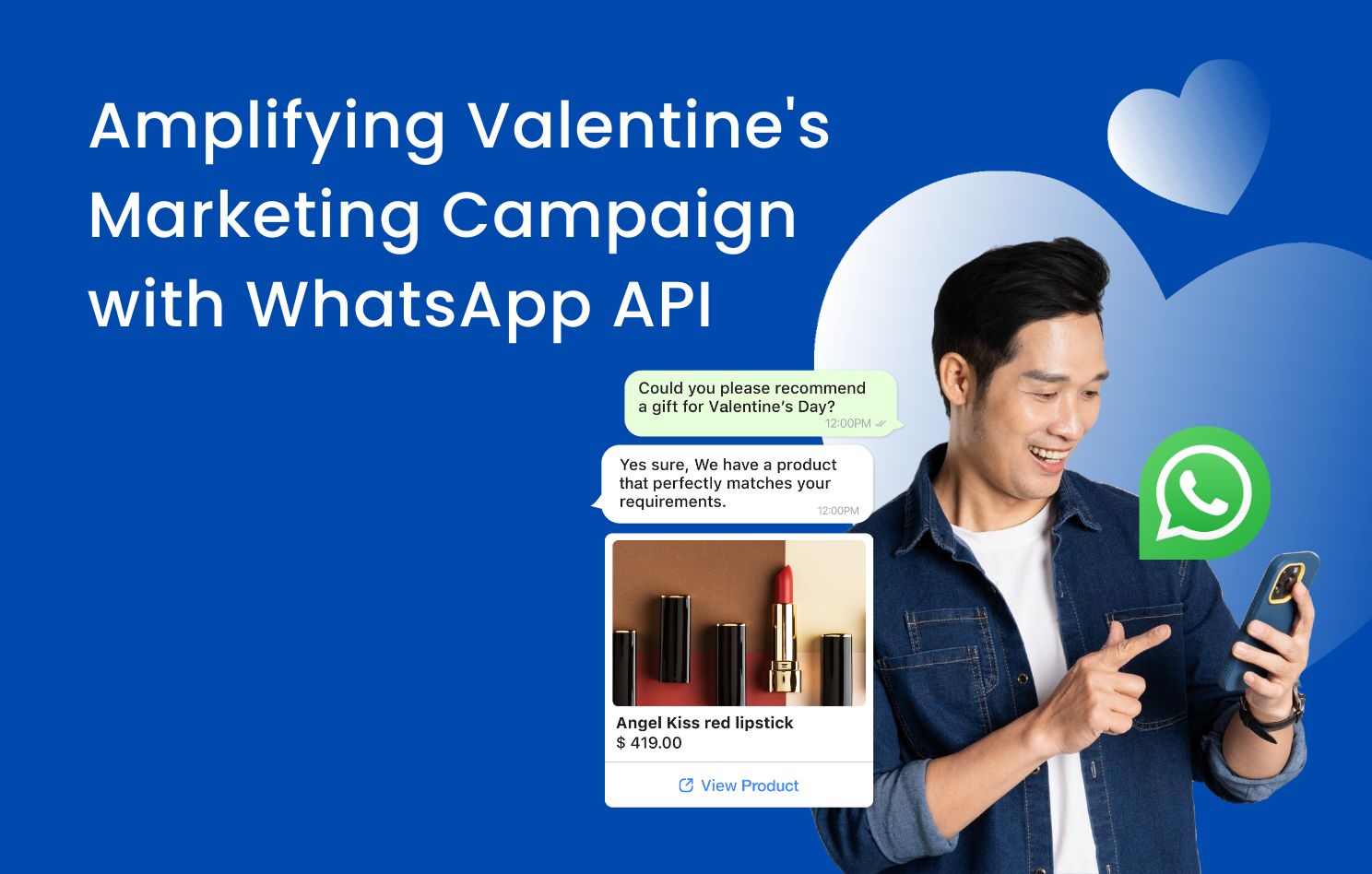
Valentine’s Day is a global phenomenon, a day dedicated to love and affection. According to the National Retail Federation, global spending on Valentine’s Day was $25.8 billion in 2024, just 5.84% below the all-time high in 2020. This pattern is showcasing a significant opportunity for businesses to capitalize on this romantic occasion. 5 Reasons Why WhatsApp Business API is Perfect for Your Valentine’s Day Campaigns WhatsApp Business API provides an unparalleled platform for Valentine’s Day m
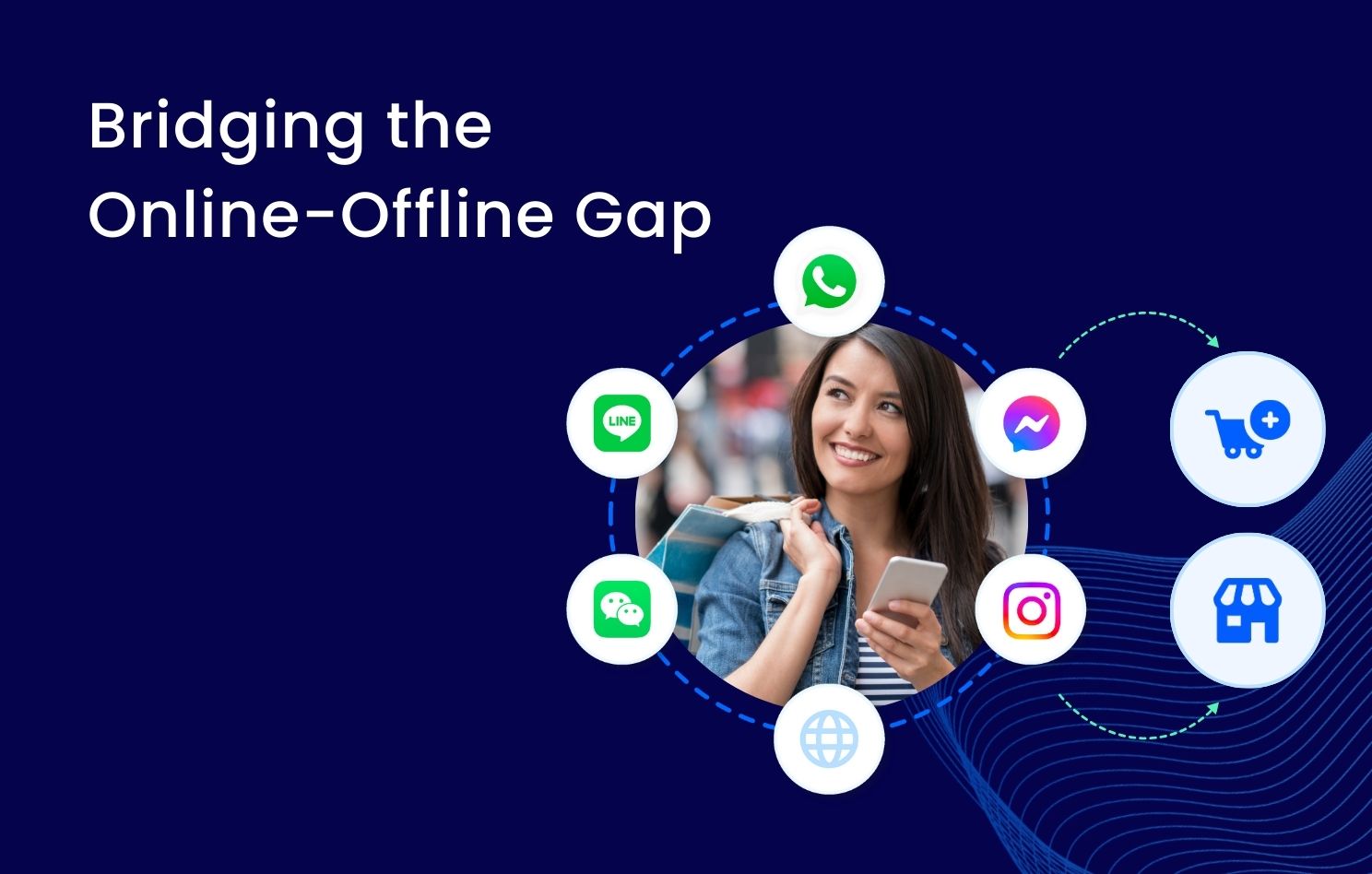
Today’s consumers exhibit sophisticated omnichannel behavior, seamlessly blending online and offline interactions. They research products online, browse in-store, and expect a consistent, personalized experience across all touchpoints. A recent university study underscored this expectation, revealing that 73% of customers prefer multi-channel shopping experiences, emphasizing the need for a cohesive customer journey However, many retailers struggle to effectively connect online marketing efforts